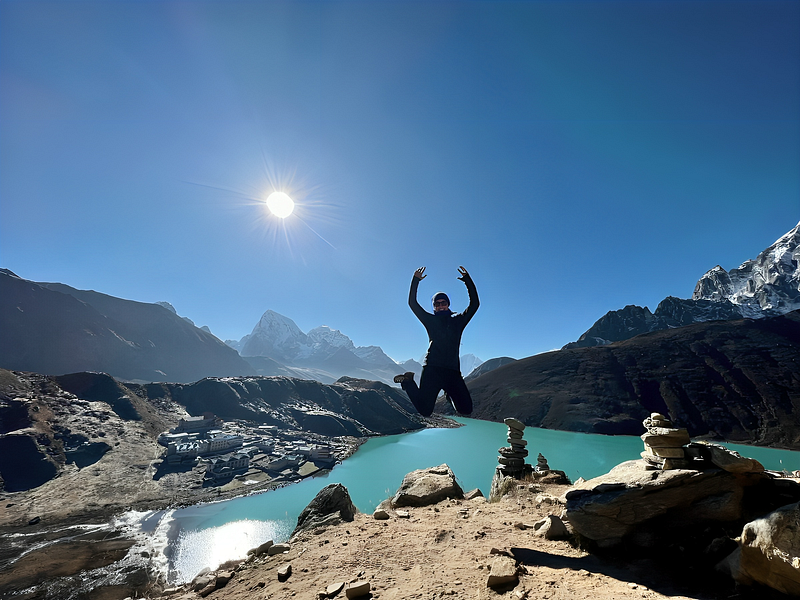
Introduction
Nestled in the lap of the Himalayas, Nepal is a country that offers a blend of breathtaking landscapes, rich cultural heritage, thrilling adventures, and deep spiritual essence. From the towering peaks of the Himalayas to the vibrant streets of Kathmandu, Nepal embodies a unique fusion of natural beauty, traditional customs, adrenaline-pumping activities, and spiritual enlightenment. This blog explores why Nepal is an unparalleled destination for travelers, adventurers, and seekers of peace alike.
Nature: The Unparalleled Beauty of Nepal
1. The Mighty Himalayas
Nepal is home to eight of the world’s fourteen highest peaks, including Mount Everest, the highest mountain on Earth. The Himalayas not only define the country’s geography but also shape its culture, economy, and tourism. Thousands of trekkers and climbers visit Nepal annually to witness the magnificence of these snow-capped giants. These mountains are not merely geological formations; they hold deep cultural and religious significance for the Nepalese people. The Himalayan range serves as a spiritual abode for Hindus and Buddhists, with countless monasteries, temples, and sacred sites dotting the landscape. The Sherpa people, known for their mountaineering expertise, have called these mountains home for generations, contributing to Nepal’s rich mountaineering history. The Himalayas also influence Nepal’s weather patterns, creating distinct climatic zones that range from tropical in the south to arctic in the highlands.
2. Diverse Landscapes and Biodiversity
Nepal boasts an extraordinary range of landscapes — from the subtropical plains of the Terai to the alpine meadows of the Himalayas. This variation in geography allows for an equally diverse range of flora and fauna, making Nepal a paradise for nature lovers. The lush forests of the mid-hills are home to rhododendron forests, which bloom vibrantly in the spring, painting the hills in shades of red, pink, and white. The Terai region, on the other hand, is covered with dense jungles that serve as a sanctuary for rare and endangered wildlife species, including Bengal tigers, one-horned rhinoceroses, and swamp deer. The country’s biodiversity is further enriched by its wetlands, rivers, and lakes, which provide habitats for migratory birds and aquatic life. The Karnali River, one of Nepal’s longest rivers, flows through pristine wilderness areas, supporting a delicate ecosystem that is crucial for both wildlife and human communities.
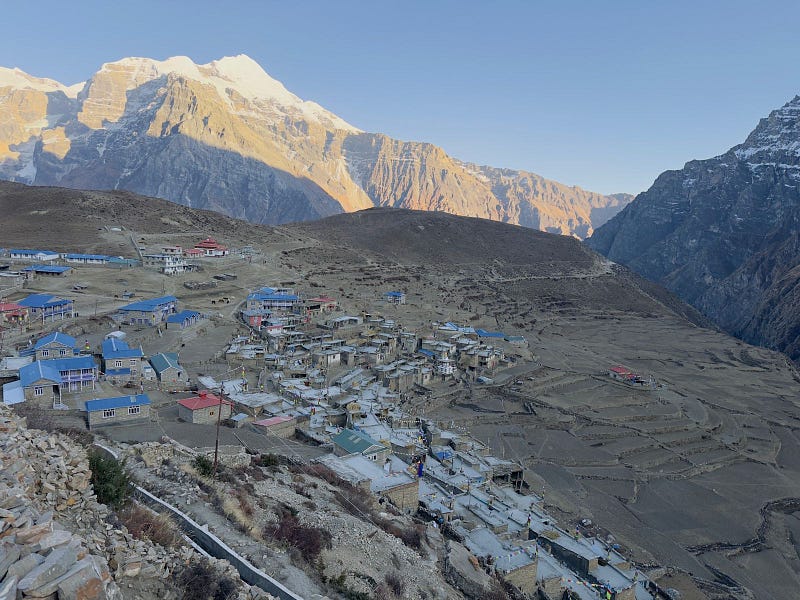
3. National Parks and Conservation Areas
Nepal is dedicated to wildlife conservation, with several national parks and reserves protecting endangered species. Some prominent ones include:
- Chitwan National Park: Home to Bengal tigers, one-horned rhinoceroses, and elephants. This UNESCO World Heritage site is famous for its wildlife safaris, where visitors can explore the jungle on elephant-back or in a jeep.
- Bardia National Park: A less crowded alternative to Chitwan, offering a chance to see wild tigers and river dolphins. This park is particularly known for its dense Sal forests and vast grasslands, making it a prime location for wildlife photography.
- Sagarmatha National Park: A UNESCO World Heritage site that protects the Everest region and its fragile ecosystem. This park is not only significant for its biodiversity but also for its cultural heritage, as it encompasses several important Sherpa villages and monasteries.
Nepal has also established conservation areas such as the Annapurna Conservation Area and the Kanchenjunga Conservation Area to promote sustainable tourism and protect the environment. Community-based conservation initiatives have played a crucial role in preserving Nepal’s wildlife while ensuring that local communities benefit from ecotourism.
4. Lakes, Rivers, and Valleys
Nepal is blessed with stunning lakes and rivers that add to its charm. Lakes like Rara, Tilicho, and Phewa are breathtakingly beautiful, while the country’s rivers, such as the Trishuli and Seti, offer thrilling rafting experiences. Rara Lake, the largest lake in Nepal, is a remote and pristine gem that provides an idyllic setting for nature lovers. Tilicho Lake, located at an altitude of 4,919 meters, is one of the highest lakes in the world and is surrounded by snow-covered peaks, making it a surreal sight. Phewa Lake in Pokhara is famous for its tranquil waters and the reflection of the Annapurna range, creating a picture-perfect scene.
Nepal’s rivers originate in the Himalayas and traverse diverse landscapes before merging with the Ganges in India. These rivers are not only important for hydropower generation but also serve as a source of livelihood for many communities. The Kali Gandaki River, known for its deep gorge, is a sacred river in Hindu mythology and a popular rafting destination.
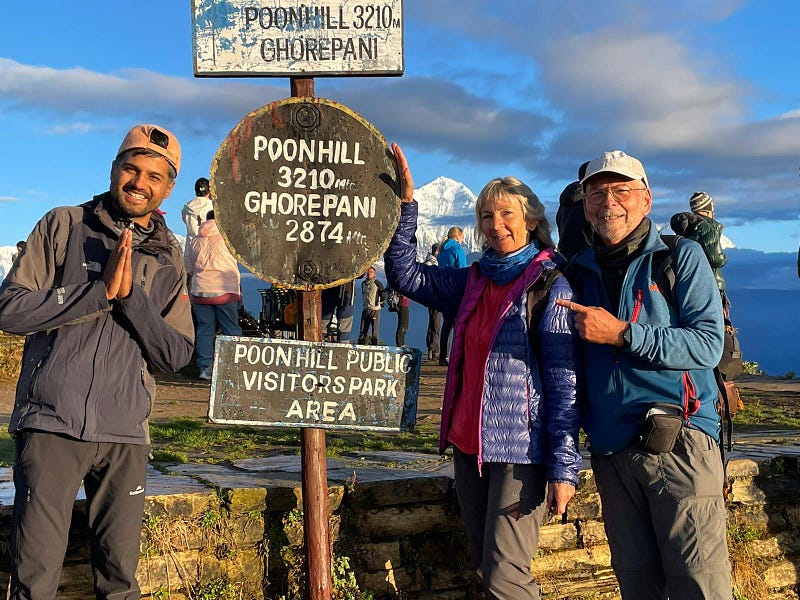
Culture: The Heartbeat of Nepal
1. A Melting Pot of Ethnic Diversity
Nepal is home to over 120 ethnic groups and 123 languages, creating a rich cultural mosaic. The coexistence of different traditions and lifestyles makes Nepal an incredibly diverse and fascinating country. The major ethnic groups in Nepal include the Brahmin, Chhetri, Newar, Tamang, Magar, Gurung, Rai, Limbu, Tharu, and Sherpa communities. Each ethnic group has its own unique customs, attire, language, and religious beliefs, contributing to Nepal’s vibrant cultural landscape.
The Newar community, indigenous to the Kathmandu Valley, has played a crucial role in shaping Nepal’s cultural and artistic heritage. Their traditional settlements, with intricately designed pagoda-style temples and beautifully crafted courtyards, are a testament to their architectural prowess. The Tamangs and Gurungs, residing in the hills, have a rich tradition of folk music and dance, which adds to Nepal’s cultural wealth.
2. Kathmandu: The Cultural Hub
The capital city, Kathmandu, is often referred to as the “City of Temples.” Some must-visit cultural landmarks include:
- Pashupatinath Temple: One of the most sacred Hindu temples dedicated to Lord Shiva. The temple complex, situated on the banks of the Bagmati River, is a site of immense religious significance, especially during the Maha Shivaratri festival when thousands of devotees gather to pay homage to Lord Shiva.
- Swayambhunath Stupa (Monkey Temple): A Buddhist site with mesmerizing views of Kathmandu. This stupa, with its iconic eyes of Buddha, symbolizes wisdom and compassion, attracting Buddhist pilgrims from all over the world.
- Boudhanath Stupa: One of the largest stupas in the world and a center for Tibetan Buddhism. The stupa is surrounded by monasteries and prayer wheels, making it a spiritual hub for meditation and Buddhist teachings.
- Durbar Squares (Kathmandu, Bhaktapur, and Patan): Showcasing exquisite Newari architecture and historical significance. These squares, once the royal palaces of Malla kings, are now open-air museums displaying the finest examples of traditional Nepalese craftsmanship.
Nepal’s traditional art forms, including thangka painting, woodcarving, and metalwork, reflect the deep spiritual and artistic heritage of the country. The meticulous detail in these artworks demonstrates the devotion and skill of Nepalese artisans.
if you like this blog & intrested to explore the hidden gem of Nepal please do not hesitate to reach us out at Happy Mountain Nepal Pvt Ltd

No comments:
Post a Comment