When people think of dream travel destinations, names like Switzerland, Bali, or Paris often come to mind. However, nestled in the heart of the Himalayas, Nepal remains one of the most underrated tourist destinations in the world. This breathtaking country is a paradise for adventure lovers, spiritual seekers, and cultural enthusiasts alike. With its towering mountains, serene landscapes, rich history, and warm hospitality, Nepal deserves far more recognition than it currently receives.
Stunning Natural Beauty
Nepal is home to eight of the world’s fourteen highest peaks, including Mount Everest, the tallest of them all. The Himalayas dominate the northern part of the country, offering mesmerizing views and incredible trekking experiences.
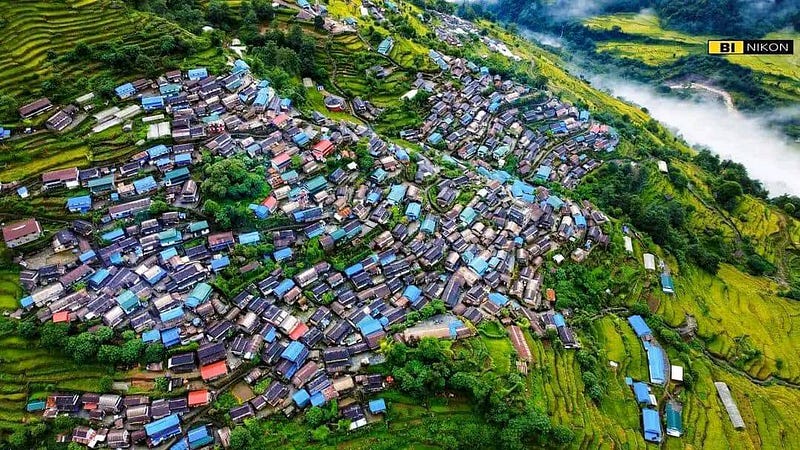
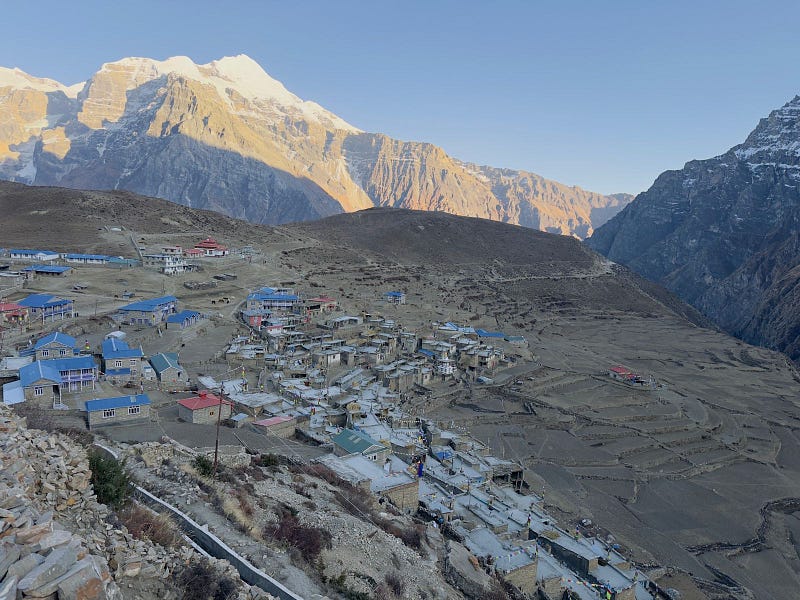
Bhujung Village near Pokhara
Some of the most popular trekking routes include:
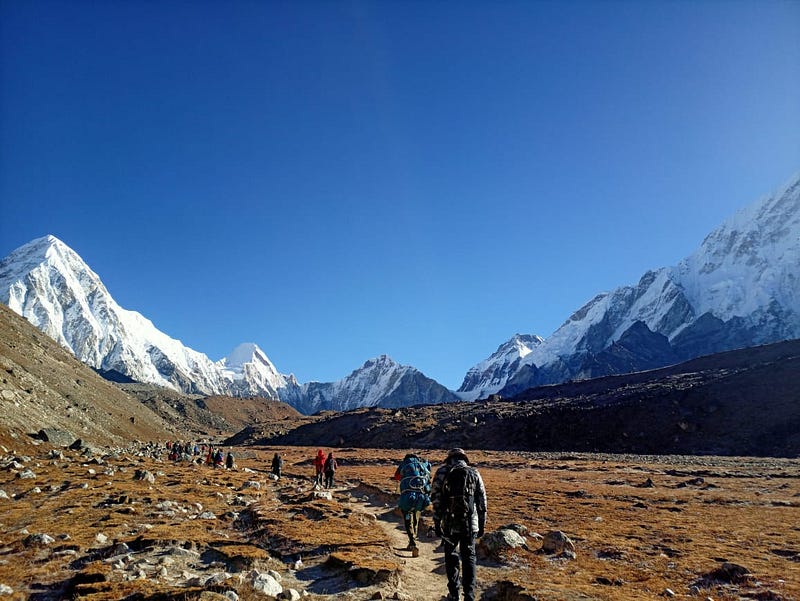
Everest Base Camp Trek — A bucket-list adventure that takes trekkers through Sherpa villages, suspension bridges, and breathtaking landscapes.
Annapurna Circuit — A diverse trekking route that combines lush valleys, alpine scenery, and the dramatic Thorong La Pass.
Langtang Valley Trek — An off-the-beaten-path alternative offering scenic beauty and an authentic cultural experience.
Beyond the mountains, Nepal is blessed with verdant forests, deep gorges, sparkling lakes, and cascading waterfalls. Places like Rara Lake, Tilicho Lake, and the lush forests of Chitwan and Bardia National Parks provide a haven for nature lovers.
A Rich Tapestry of Culture and History
Nepal’s cultural diversity is as vast as its landscapes. The country is home to over 120 ethnic groups and more than 100 spoken languages. The capital, Kathmandu, is a UNESCO World Heritage site in itself, dotted with ancient temples, palaces, and monasteries.
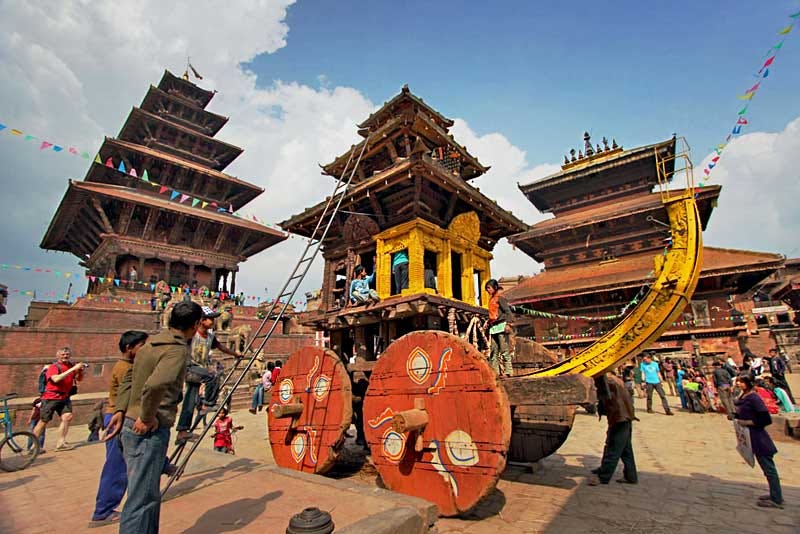
City of Fares & Festivals
Must-visit cultural sites:
Kathmandu Durbar Square — A historic plaza with centuries-old palaces and temples.
Pashupatinath Temple — A sacred Hindu site on the banks of the Bagmati River.
Swayambhunath (Monkey Temple) — A Buddhist stupa offering panoramic views of Kathmandu.
Bhaktapur and Patan Durbar Squares — Beautifully preserved medieval towns with intricate architecture.
Lumbini — The birthplace of Lord Buddha and a significant pilgrimage site.
Nepali festivals like Dashain, Tihar, and Holi bring vibrant celebrations, traditional music, and cultural performances that make any visit more memorable.
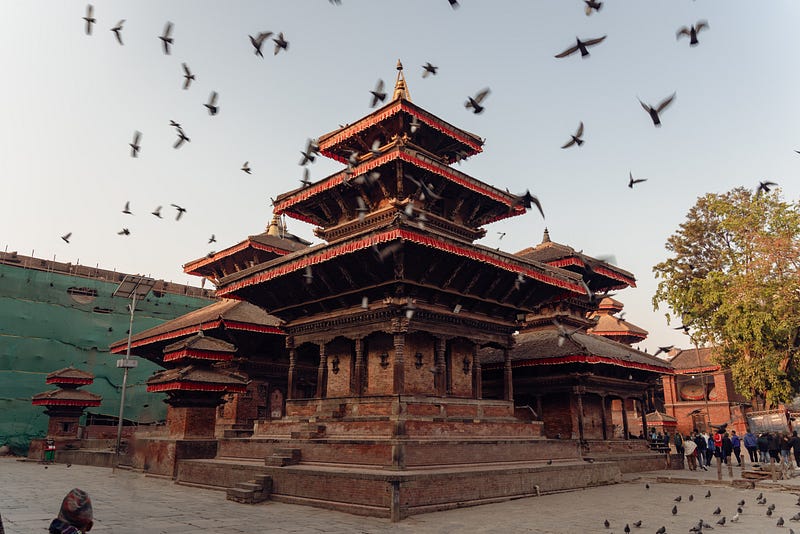
City of Temples
Adventure Hub of the World
For adrenaline junkies, Nepal offers some of the most thrilling adventure activities:
Paragliding in Pokhara — Soar over the scenic Phewa Lake and Annapurna range.
White-water rafting — The Trishuli, Bhote Koshi, and Seti rivers offer exciting rapids.
Bungee jumping — Experience one of the world’s highest bungee jumps over the Bhote Koshi River.
Jungle safaris — Spot tigers, rhinos, and elephants in Chitwan and Bardia National Parks.
Mountain biking — Challenging trails through rugged terrains for cycling enthusiasts.
Budget-Friendly Destination
Compared to many popular tourist destinations, Nepal is incredibly affordable. Whether it’s accommodation, food, transportation, or adventure activities, the costs remain significantly lower than in many Western or Southeast Asian countries. Backpackers can explore Nepal on a budget of as little as $20 per day, while luxury travelers can enjoy high-end resorts at a fraction of the cost compared to European or American standards.
Locals Making Bara a newari food
Warm and Welcoming People
Nepali people are renowned for their hospitality. Whether in a bustling city or a remote village, visitors are often welcomed with genuine warmth and kindness. The traditional greeting, “Namaste,” is more than just a gesture — it embodies the spirit of respect and goodwill that defines Nepali culture.
Why is Nepal Still Underrated?
Despite all these attractions, Nepal remains largely underrated due to several reasons:
Lack of aggressive marketing — Unlike Thailand or Dubai, Nepal does not have a strong global tourism campaign.
Political instability — Occasional political unrest has sometimes discouraged potential visitors.
Infrastructure challenges — While major cities have good facilities, rural areas still need better roads and transportat
Underestimation of its potential — Many travelers think Nepal is only for trekkers, ignoring its cultural, wildlife, and adventure tourism.
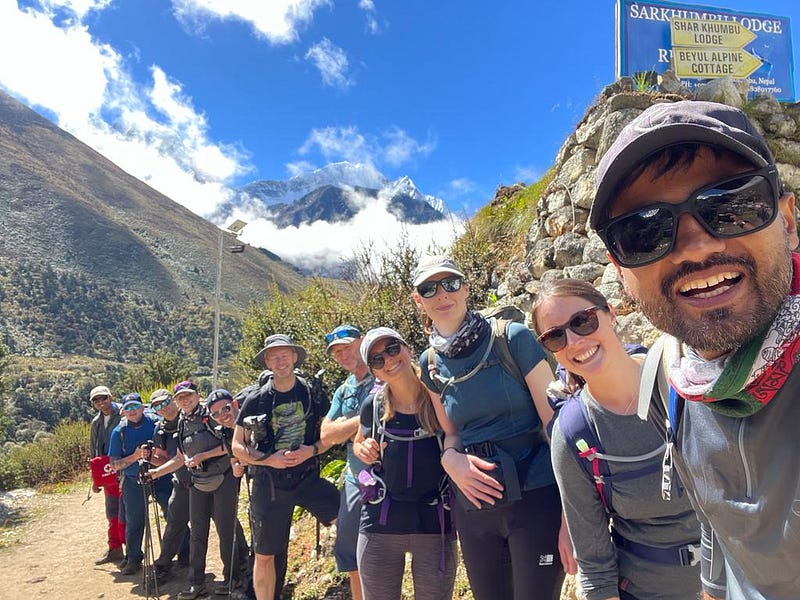
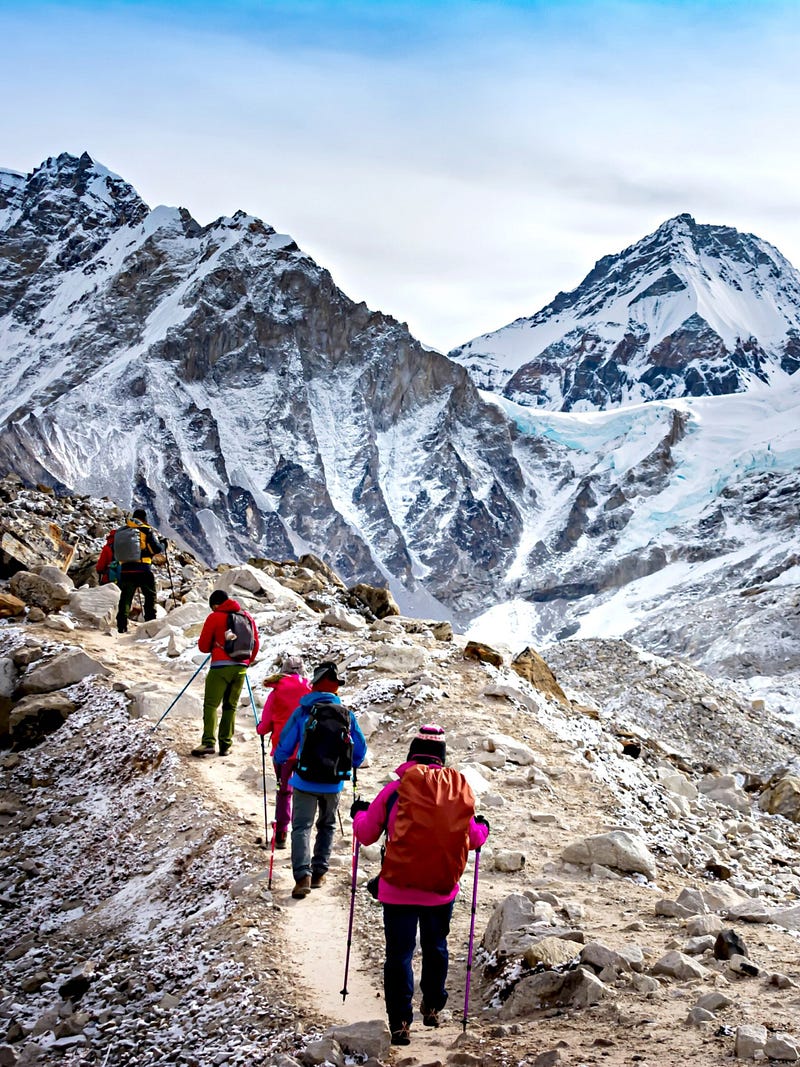
Everest Base Camp Trek
Conclusion
Nepal is a hidden gem that has something for everyone — from the highest mountains to spiritual sanctuaries, from cultural richness to thrilling adventures. Yet, it remains one of the most underrated travel destinations. If you’re looking for a trip that blends nature, history, culture, adventure, and warm hospitality, Nepal should be at the top of your list. Pack your bags and embark on a journey to discover this extraordinary land before the rest of the world catches on! if you think of visiting this most under rated Tourist Destinations please do not hesitate to contact us at Happy Mountain Nepal Pvt Ltd
Bisket Jatra is one of Nepal’s most vibrant and exhilarating festivals, celebrated in the ancient city of Bhaktapur. This festival marks the Nepalese New Year and is deeply rooted in the traditions of the Newar community. Taking place in mid-April, it lasts for several days, featuring grand processions, chariot pulling, and a spectacular display of cultural heritage.
The Origins and Mythology of Bisket Jatra
The festival has an intriguing legend associated with it. It is said that a princess in Bhaktapur was cursed — any man who married her would mysteriously die the very next morning. After many deaths, a brave prince finally broke the curse by staying awake all night and discovering two serpents emerging from the princess’s nostrils. He swiftly killed them, saving himself and ending the cycle of mysterious deaths. This tale is symbolized in the festival by the erection of a long ceremonial pole known as “Lingo,” which is later pulled down to signify the destruction of evil forces
Highlights of the Festival
Chariot Procession
One of the most iconic events of Bisket Jatra is the pulling of giant chariots carrying the idols of Lord Bhairab and Goddess Bhadrakali. These massive wooden chariots are dragged through the narrow streets of Bhaktapur by teams of enthusiastic devotees. This procession is not just a religious event but also a fierce competition between different groups, with each side trying to control the movement of the chariots
Erection and Pulling Down of the Lingo (Wooden Pole)
A tall wooden pole, known as “Lingo,” is erected at Bhaktapur’s Bhairab Temple. This structure, symbolic of male and female divine forces, is later pulled down in an intense tug-of-war competition, signifying the battle between good and evil. The act of bringing down the Lingo is considered to usher in prosperity and is met with loud cheers and celebrations
Sindoor Jatra: A Festival of Colors
The festival also includes Sindoor Jatra, held in Thimi, near Bhaktapur. This event resembles the Indian Holi festival, where people throw vermilion powder (sindoor) at each other, painting the entire town in hues of red and orange. It is a day of merriment, dance, and music, bringing the entire community together
Traditional Music, Dances, and Animal Sacrifices
Throughout the festival, traditional Newari music fills the air, with musicians playing drums and cymbals as people dance joyfully in the streets. In some places, ritualistic animal sacrifices are also performed to appease the deities. Although this aspect may not appeal to everyone, it remains an integral part of the festival’s traditions
Why You Should Experience Bisket Jatra
Bisket Jatra is more than just a festival; it is a cultural spectacle that showcases the rich heritage of Nepal. The combination of mythological significance, thrilling chariot battles, vibrant color celebrations, and traditional music creates an unforgettable experience. Thousands of visitors from Nepal and beyond gather in Bhaktapur to witness this spectacular event.
If you ever plan a trip to Nepal in April, Bisket Jatra should be on your must-see list. It’s an exhilarating way to welcome the Nepalese New Year while immersing yourself in centuries-old traditions
Bisket Jatra is a unique celebration that offers a glimpse into the heart of Bhaktapur’s rich cultural heritage. From the spectacular chariot processions to the religious rituals and the community-centered spirit, the festival exemplifies. Nepal’s rich history, vibrant traditions, and deep spirituality. For those who witness it, Bisket Jatra is an unforgettable experience that underscores the resilience, unity, and joy of the people of Bhaktapur. Whether as a local or a tourist, participating in the festival’s excitement is a chance to immerse oneself in the living culture of Nepal. Contact us today at Happy Mountain Nepal, Facebook, Instagram, or TikTok.
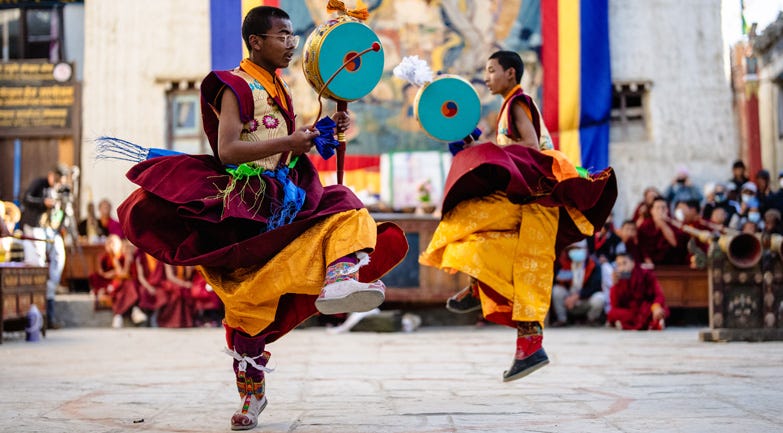
The Tiji Festival(also known as “Tenchi”) is one of the most spectacular and spiritually significant festivals in Nepal, particularly in the mystical walled city of Lo-Manthang in the Upper Mustang region. Deeply rooted in Tibetan Buddhism, this festival symbolizes the victory of good over evil and is celebrated with great enthusiasm, traditional masked dances, and sacred rituals. What makes Tiji unique is its fusion of Buddhism and Tibetan Tantra, an esoteric form of Buddhism that emphasizes rituals, meditation, and mysticism.
This blog takes an in-depth journey into the Tiji Festival, its historical background, spiritual essence, rituals, cultural significance, and the profound blend of Buddhism and Tibetan Tantra.
The Historical and Mythological Origins of Tiji Festival
1. The Legend Behind Tiji
Tiji finds its origins in a sacred myth where a deity named Dorje Jono (or Vajra Kila in Sanskrit) battles his demon father, who was responsible for bringing chaos, drought, and destruction to Mustang. Through divine powers, Dorje Jono defeated the demon and restored peace and prosperity to the region. The festival is a re-enactment of this victory, signifying the removal of obstacles, suffering, and negative energies.
2. Influence of Tibetan Buddhism in Mustang
Mustang, historically part of the Tibetan Kingdom, has long been a hub of Tibetan Buddhism, especially of the Sakya and Nyingma sects. The Tiji Festival was introduced in the 17th century by the Sakya Buddhist master Ngawang Kunga Sonam to uphold Buddhist teachings and preserve cultural traditions. Over time, it evolved into a blend of Vajrayana Buddhist practices and Tibetan tantric rituals.
The Spiritual Essence: Buddhism Meets Tibetan Tantra
The Tiji Festival is more than a cultural event; it is a deeply spiritual ceremony influenced by Tibetan Buddhism’s Tantric (Vajrayana) traditions. Here’s how:
Empowerment Rituals — Before the festival, monks undergo rigorous tantric empowerment rituals to channel spiritual energy.
Mantra Chanting & Meditation — Monks chant ancient mantras and sutras to invoke divine blessings.
Mudras and Mandalas — Complex hand gestures (mudras) and intricate sacred diagrams (mandalas) are used during rituals.
Mystical Cham Dance — Performed by monks wearing sacred masks, the dance represents the subjugation of negative forces through tantric power.
Symbolic Offerings — Fire offerings, ritualistic objects, and spiritual invocations are part of the tantric transformation process.
The blending of these Tantric Buddhist rituals with traditional celebrations makes Tiji unique, as it transcends ordinary religious observance to become a powerful spiritual cleansing event.
The Three-Day Celebration: Rituals and Events
Tiji is a three-day festival full of vibrant performances, spiritual ceremonies, and communal joy. Each day has its own significance:
Monks
Day 1: Invocation and the Beginning of Sacred Rituals
The festival starts at the Chode Monastery in Lo-Manthang, where high lamas perform purification ceremonies.
Monks recite ancient texts and invoke the deity Dorje Jono.
The first phase of the sacred Cham dance is performed, where monks dressed in colorful costumes and masks depict divine figures.
Day 2: Confrontation Between Good and Evil
The narrative intensifies as monks reenact Dorje Jono’s battle with the demon.
The sacred Cham dance reaches its peak, displaying aggressive movements that symbolize the power of tantric transformation.
Locals participate by offering prayers and chanting mantras to support the victory of good over evil.
Day 3: Victory and Expelling Evil
The final performance showcases the ultimate defeat of the demon.
A ritualistic effigy of the demon is symbolically destroyed to expel evil from the region.
The festival concludes with fire offerings, communal feasting, and blessings from the lamas.
Cultural Significance: A Living Tradition of Mustang
1. Preserving Tibetan Culture
Since Mustang was once part of Tibet, the Tiji Festival is a living bridge to ancient Tibetan traditions. With the annexation of Tibet by China, Mustang remains one of the few places where authentic Tibetan Buddhist practices continue without interference.
2. Uniting the Local Community
Tiji is a social and cultural gathering where locals from different villages come together, dressed in their finest traditional attire. It strengthens communal bonds and fosters a shared identity.
3. A Pilgrimage for Spiritual Seekers
For many Buddhists and spiritual seekers worldwide, attending Tiji is akin to a sacred pilgrimage, offering blessings, healing, and enlightenment.
The Future of Tiji Festival in a Changing World
Despite modernization, the people of Mustang are dedicated to preserving their ancient traditions. However, challenges like climate change, economic shifts, and globalization pose risks to cultural heritage. Efforts by local monasteries, cultural organizations, and tourism initiatives are helping sustain the festival for future generations.
Conclusion: A Journey into the Heart of Tibetan Tantra and Buddhism
The Tiji Festival is more than just a colorful spectacle — it is a spiritual experience where Buddhism merges with Tibetan Tantra, creating a profound expression of faith, culture, and resilience. Whether you are a devotee, a traveler, or a cultural enthusiast, witnessing Tiji is a journey into the heart of one of the world’s last remaining Tibetan Buddhist strongholds.
For those seeking to experience Tibetan Buddhist rituals firsthand, immerse in sacred chants, and witness an awe-inspiring cultural tradition, Tiji Festival in Lo-Manthang is an unmissable experience.
Would you like to experience the spiritual magic of Tiji? Plan your journey to Mustang and witness this mystical celebration firsthand!
The Everest Base Camp (EBC) trek is one of the most sought-after trekking adventures in the world. Located in the Khumbu region of Nepal, it offers breathtaking views of Mount Everest (8,848m/29,029ft) and an unforgettable experience of the Himalayan landscapes, culture, and challenging trails. However, before embarking on this adventure, it’s crucial to understand its difficulty level, preparation needs, and itinerary plan to ensure a safe and successful trek.
Everest Base Camp Trek Difficulty
1. Trekking Distance & Duration
The Everest Base Camp trek covers a round-trip distance of approximately 130 km (81 miles) and typically takes 12–14 days to complete. On average, trekkers walk 6–7 hours per day, covering 10–15 km.
2. Altitude & Acclimatization
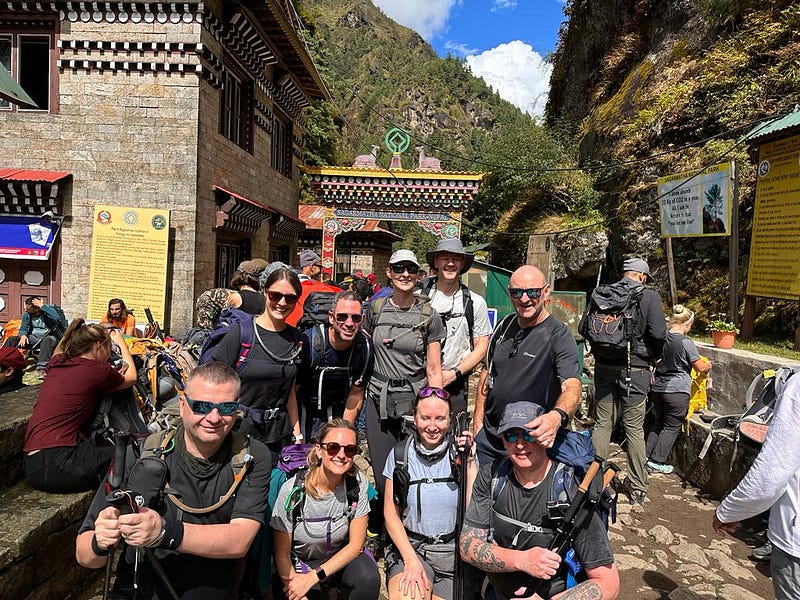
The trek starts from Lukla (2,860m/9,383ft) and reaches the Everest Base Camp (5,364m/17,598ft
The high altitude increases the risk of Acute Mountain Sickness (AMS), which can cause headaches, nausea, and dizziness.
Proper acclimatization days (e.g., in Namche Bazaar and Dingboche) are crucial for adjusting to the thin air.
3. Trail Difficulty & Terrain
The trek involves steep ascents and descents, rocky paths, and narrow suspension bridges.
The terrain is rugged, with sections of steep uphill climbs and moraine walkways near the final stretch to Base Camp.
Some sections, such as the Kala Patthar climb (5,545m/18,192ft), are challenging due to their steep incline.
4. Weather & Temperature Challenges
Spring (March-May) and Autumn (September-November) offer the best weather conditions with moderate temperatures.
Winter (December-February) can be extremely cold, dropping to -20°C (-4°F) at higher altitudes.
Monsoon season (June-August) brings heavy rainfall and slippery trails.
5. Physical Fitness & Endurance
The trek requires good cardiovascular fitness, leg strength, and stamina.
Prior hiking experience, endurance training, and preparation hikes are highly recommended.
Mental resilience is equally important due to the long days of trekking and unpredictable weather conditions.
Trekkers Enjoying their Dinner on the Tea House
Preparation for Everest Base Camp Trek
1. Physical Training
To build endurance and strength, start training at least 2–3 months before the trek:
Cardio Workouts: Running, cycling, swimming, and stair climbing
Strength Training: Focus on legs, core, and back muscles.
Hiking Practice: Trek on hilly or mountainous terrains with a backpack.
Breathing & Yoga: Improves lung capacity and oxygen intake at high altitudes.
2. Packing List & Essential Gear
Clothing:
Base Layers: Moisture-wicking therm
Insulation Layers: Fleece jacket, down jacket.
Outer Layers: Waterproof and windproof jacket & pants.
TIMS Card (Trekkers’ Information Management System) (Optional for guided groups)
Travel Insurance covering high-altitude rescue.
4. Food & Accommodation
Lodges & Tea Houses: Available throughout the route, offering simple meals like Dal Bhat (rice & lentils), noodles, and soups.
Drinking Water: Buy bottled water or refill from streams (with purification tablets).
Electricity & Charging: Available for an extra fee in most teahouses.
Wi-Fi & Network: Limited and expensive at higher altitudes.
Everest Base Camp Trek Itinerary Plan
Standard 14-Day Itinerary
Day 1: Fly to Lukla & Trek to Phakding (2,610m/8,562ft) (3–4 hrs)
Day 2: Trek to Namche Bazaar (3,440m/11,286ft) (6–7 hrs)
Day 3: Acclimatization in Namche (Hike to Everest View Hotel)
Day 4: Trek to Tengboche (3,860m/12,664ft) (5–6 hrs)
Day 5: Trek to Dingboche (4,410m/14,469ft) (5–6 hrs)
Day 6: Acclimatization in Dingboche (Hike to Nagarjun Hill)
Day 7: Trek to Lobuche (4,910m/16,109ft) (5–6 hrs)
Day 8: Trek to Everest Base Camp (5,364m/17,598ft) & back to Gorak Shep (5,164m/16,942ft) (7–8 hrs)
Day 9: Hike to Kala Patthar (5,545m/18,192ft) & trek to Pheriche (4,240m/13,910ft) (7–8 hrs)
Day 10: Trek back to Namche Bazaar (6–7 hrs)
Day 11: Trek back to Lukla (6–7 hrs)
Day 12: Fly back to Kathmandu
Final Tips for a Successful EBC Trek
Start Slow, Walk Steady: Do not rush; gradual ascent is key to avoiding AMS.
Stay Hydrated & Eat Well: Drink at least 3–4 liters of water daily.
Listen to Your Body: If symptoms of altitude sickness appear, descend immediately.
Respect Local Culture: Always greet locals with “Namaste” and respect customs.
Hire a Guide or Porter: They provide navigation, safety, and carry heavy loads.
Conclusion
The Everest Base Camp trek is a challenging yet rewarding adventure that tests your endurance, determination, and love for the mountains. With proper preparation, physical training, and careful planning, you can successfully complete this iconic trek and witness the world’s highest peak up close. Whether you are an experienced trekker or a passionate traveler, EBC is an experience of a lifetime worth every step.
Are you ready to take on the Everest Base Camp challenge? Plan well and embrace the journey of a lifetime
Nestled in the lap of the Himalayas, Nepal is a country that offers a blend of breathtaking landscapes, rich cultural heritage, thrilling adventures, and deep spiritual essence. From the towering peaks of the Himalayas to the vibrant streets of Kathmandu, Nepal embodies a unique fusion of natural beauty, traditional customs, adrenaline-pumping activities, and spiritual enlightenment. This blog explores why Nepal is an unparalleled destination for travelers, adventurers, and seekers of peace alike.
Nature: The Unparalleled Beauty of Nepal
1. The Mighty Himalayas
Nepal is home to eight of the world’s fourteen highest peaks, including Mount Everest, the highest mountain on Earth. The Himalayas not only define the country’s geography but also shape its culture, economy, and tourism. Thousands of trekkers and climbers visit Nepal annually to witness the magnificence of these snow-capped giants. These mountains are not merely geological formations; they hold deep cultural and religious significance for the Nepalese people. The Himalayan range serves as a spiritual abode for Hindus and Buddhists, with countless monasteries, temples, and sacred sites dotting the landscape. The Sherpa people, known for their mountaineering expertise, have called these mountains home for generations, contributing to Nepal’s rich mountaineering history. The Himalayas also influence Nepal’s weather patterns, creating distinct climatic zones that range from tropical in the south to arctic in the highlands.
2. Diverse Landscapes and Biodiversity
Nepal boasts an extraordinary range of landscapes — from the subtropical plains of the Terai to the alpine meadows of the Himalayas. This variation in geography allows for an equally diverse range of flora and fauna, making Nepal a paradise for nature lovers. The lush forests of the mid-hills are home to rhododendron forests, which bloom vibrantly in the spring, painting the hills in shades of red, pink, and white. The Terai region, on the other hand, is covered with dense jungles that serve as a sanctuary for rare and endangered wildlife species, including Bengal tigers, one-horned rhinoceroses, and swamp deer. The country’s biodiversity is further enriched by its wetlands, rivers, and lakes, which provide habitats for migratory birds and aquatic life. The Karnali River, one of Nepal’s longest rivers, flows through pristine wilderness areas, supporting a delicate ecosystem that is crucial for both wildlife and human communities.
3. National Parks and Conservation Areas
Nepal is dedicated to wildlife conservation, with several national parks and reserves protecting endangered species. Some prominent ones include:
Chitwan National Park: Home to Bengal tigers, one-horned rhinoceroses, and elephants. This UNESCO World Heritage site is famous for its wildlife safaris, where visitors can explore the jungle on elephant-back or in a jeep.
Bardia National Park: A less crowded alternative to Chitwan, offering a chance to see wild tigers and river dolphins. This park is particularly known for its dense Sal forests and vast grasslands, making it a prime location for wildlife photography.
Sagarmatha National Park: A UNESCO World Heritage site that protects the Everest region and its fragile ecosystem. This park is not only significant for its biodiversity but also for its cultural heritage, as it encompasses several important Sherpa villages and monasteries.
Nepal has also established conservation areas such as the Annapurna Conservation Area and the Kanchenjunga Conservation Area to promote sustainable tourism and protect the environment. Community-based conservation initiatives have played a crucial role in preserving Nepal’s wildlife while ensuring that local communities benefit from ecotourism.
4. Lakes, Rivers, and Valleys
Nepal is blessed with stunning lakes and rivers that add to its charm. Lakes like Rara, Tilicho, and Phewa are breathtakingly beautiful, while the country’s rivers, such as the Trishuli and Seti, offer thrilling rafting experiences. Rara Lake, the largest lake in Nepal, is a remote and pristine gem that provides an idyllic setting for nature lovers. Tilicho Lake, located at an altitude of 4,919 meters, is one of the highest lakes in the world and is surrounded by snow-covered peaks, making it a surreal sight. Phewa Lake in Pokhara is famous for its tranquil waters and the reflection of the Annapurna range, creating a picture-perfect scene.
Nepal’s rivers originate in the Himalayas and traverse diverse landscapes before merging with the Ganges in India. These rivers are not only important for hydropower generation but also serve as a source of livelihood for many communities. The Kali Gandaki River, known for its deep gorge, is a sacred river in Hindu mythology and a popular rafting destination.
Culture: The Heartbeat of Nepal
1. A Melting Pot of Ethnic Diversity
Nepal is home to over 120 ethnic groups and 123 languages, creating a rich cultural mosaic. The coexistence of different traditions and lifestyles makes Nepal an incredibly diverse and fascinating country. The major ethnic groups in Nepal include the Brahmin, Chhetri, Newar, Tamang, Magar, Gurung, Rai, Limbu, Tharu, and Sherpa communities. Each ethnic group has its own unique customs, attire, language, and religious beliefs, contributing to Nepal’s vibrant cultural landscape.
The Newar community, indigenous to the Kathmandu Valley, has played a crucial role in shaping Nepal’s cultural and artistic heritage. Their traditional settlements, with intricately designed pagoda-style temples and beautifully crafted courtyards, are a testament to their architectural prowess. The Tamangs and Gurungs, residing in the hills, have a rich tradition of folk music and dance, which adds to Nepal’s cultural wealth.
2. Kathmandu: The Cultural Hub
The capital city, Kathmandu, is often referred to as the “City of Temples.” Some must-visit cultural landmarks include:
Pashupatinath Temple: One of the most sacred Hindu temples dedicated to Lord Shiva. The temple complex, situated on the banks of the Bagmati River, is a site of immense religious significance, especially during the Maha Shivaratri festival when thousands of devotees gather to pay homage to Lord Shiva.
Swayambhunath Stupa (Monkey Temple): A Buddhist site with mesmerizing views of Kathmandu. This stupa, with its iconic eyes of Buddha, symbolizes wisdom and compassion, attracting Buddhist pilgrims from all over the world.
Boudhanath Stupa: One of the largest stupas in the world and a center for Tibetan Buddhism. The stupa is surrounded by monasteries and prayer wheels, making it a spiritual hub for meditation and Buddhist teachings.
Durbar Squares (Kathmandu, Bhaktapur, and Patan): Showcasing exquisite Newari architecture and historical significance. These squares, once the royal palaces of Malla kings, are now open-air museums displaying the finest examples of traditional Nepalese craftsmanship.
Nepal’s traditional art forms, including thangka painting, woodcarving, and metalwork, reflect the deep spiritual and artistic heritage of the country. The meticulous detail in these artworks demonstrates the devotion and skill of Nepalese artisans.
if you like this blog & intrested to explore the hidden gem of Nepal please do not hesitate to reach us out at Happy Mountain Nepal Pvt Ltd
There are a chain of adventure trekking games in Himalayas; out of all the adventures, Everest Base Camp trekking and Lobuche Peak climbing are the two most favorite adventures. Both the adventures provide the best chain of types of challenges, benefits, and drawbacks. If you trek the top of the world or climb a Himalayan peak, this article will lead you to the appropriate adventure.
Overview of Lobuche Peak and Everest Base Camp Trek
Lobuche Peak Climb
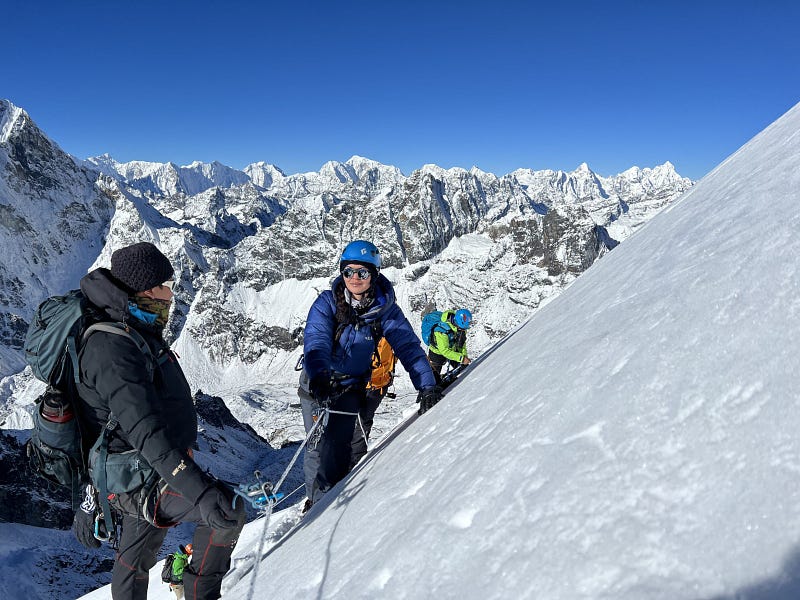
Lobuche Peak 6,119m/20,075ft is a highly sought Himalayan peak with technical exposure to climb. The mountain is a trekking peak but comprises mountaineering up to the point where most of the ice axe work, crampon, and rope systems are employed. Climbers will be at high altitudes and inadequate weather.
Lobuche Peak climbing begins at Lukla as part of the normal Everest Base Camp trek and rises to Lobuche village. Ice and snow ridge climbing is close to vertical, and this takes into account the technical ability of the climber with the help of endurance. Trekkers catch a view of the magnificence of Everest, Lhotse, Nuptse, and Ama Dablam on the approach to the beautiful climb.
The ascent is also an acclimatization day as well as a training day in which the mountaineers have freedom to do whatever they please and an ice climbing as well as a rope climbing practice. A climb is therefore a steady ascent climb, and the ascent should be so in case the ascent is to go on successfully and very safely. Such a climb is in expert climbing where the mountaineers might wish to do more.
Difficulty: Challenging (requires prior trekking and basic mountaineering skills)
Duration: 18–20 days (including acclimatization and training)
Highest Elevation: 6,119m (Lobuche East Summit)
Technical Requirements: Crampons, harness, ropes, and ice axe skills
Best Season: Spring (March–May) & Autumn (September–November)
Everest Base Camp Trek
Everest Base Camp Trek is a highly popular trekking route. You trek through beautiful Sherpa villages, wasteland, and jungle to finally arrive at the base of Mount Everest at 5,364m (17,598ft). It does not involve any mountaineering skills unlike Lobuche Peak.
The hike also brings the visitor to Sherpa trading village of Namche Bazaar and back to such broad country views like Tengboche Monastery and Dingboche to base camp. The trekker passes through stunning glacial landscape, suspension bridge hike, and Khumbu culture. Everest, Pumori, and Thamserku views are included in the hike with Himalayan experience and without climbing experience.
While not a climb like the ascent of Lobuche Peak, Ethe BC trek is something that can be done by relatively experienced novices, and acute mountain sickness is a factor that applies to everyone and so acclimatization days have been incorporated into most of the itineraries as well so that there is ample time provided for acclimatization for the trekkers.
Difficulty: Moderate to strenuous (good physical fitness but no mountaineering experience)
Duration: 12–14 days
Highest Elevation: 5,364m (Everest Base Camp)
Technical Requirements: None
Best Season: Spring (March–May) & Autumn (September–November)
Key Differences Between Lobuche Peak and Everest Base Camp Trek
The Himalayas offer countless adventures, but two of the most sought-after experiences are the Lobuche Peak climb and the Everest Base Camp (EBC) trek. Each journey presents unique challenges, rewards, and levels of difficulty. Whether you’re looking to trek through the world’s highest trails or summit a Himalayan peak, this guide will help you choose the right adventure.
1. Skill and Experience Required
Lobuche Peak requires pre-requisite high-altitude trekking experience and sub-minimum mountaineering skills, i.e., use of rope and ice axe. Everest Base Camp technically is not a climb to climb to ascend to reach but there is the requirement of mountaineering skills, hence a relatively less demanding alternative option for physically capable mountaineers to invest in high-altitude bid.
2. Physical and Mental Challenge
Lobuche Peak is more difficult with high-altitude mountaineering, mountain and steep country, and technical climb with a combination of strength and endurance demand. Though physically demanding like Everest Base Camp trekking, no climbing expertise is required and this is attempted by the tourists who do not wish for so strenuous an alternative.
3. Altitude and Acclimatization
Since Lobuche Peak is higher than Everest Base Camp, mountain climbers require extra days of acclimatization to make sure that they will not be at a disadvantage due to altitude sickness. Acclimatization for trekking to Everest Base Camp is also required but less, and thus the mountain climbers can acclimatize on the high ground without necessarily requiring specialist technical expertise.
4. Trekking vs. Climbing
Everest Base Camp trek is a gentle trekking tour on trails but Lobuche Peak is mountaineering with technical ice and snow climb ascents. Climbers on Lobuche Peak therefore require glacier travel techniques and anchoring ropes, while EBC trekkers don’t or lack hiking skills.
5. Equipment Needed
Lobuche Peak ascenders require mountaineering gear such as crampons, harnesses, ropes, ice axes, and minimum trekking gear. Everest Base Camp trekkers require minimum trekking gear such as layer clothing, trekking poles, and mountain boots, hence a less demanding expedition for acclimatization.
6. Duration and Itinerary
Lobuche Peak climb will typically 18–20 days with technical support and further acclimatization. The Everest Base Camp trek is short and can be completed in 12–14 days and is the time-constrained favorite of the short-on-time tourist who still wants to gain a fulfilling Himalayan experience.
7. Cost Comparison
Lobuche Peak is one of the most expensive ones to get in terms of climbing charges, mountaineering gear, and expert mountain guides. Everest Base Camp is cheaper because it can be had at normal trekking permits as opposed to the additional cost of mountaineering gear and arrangement.
8. Technical Guidance and Support
Lobuche Peak Climb uses qualified mountaineering guides and can provide rope skills and high-altitude climbing. Everest Base Camp trekkers trek with or without a guide and are less formalistic about their organizational setup when dealing with the trek.
9. Scenic Rewards and Views
Both treks have Himalayan views, but 360-degree Himalayan views are provided by Lobuche Peak to the summit. Everest Base Camp provides close-up glimpses of Everest and the infamous Khumbu Icefall but no feeling of climbing to a Himalayan summit.
10. Overall Experience
Lobuche Peak is mountaineer’s experience that gives the experience of being at the summit peak top for the mountaineers. Everest Base Camp is trekking and cultural experience, giving the experience of Sherpa culture and mountain scenery without the technical ascent.
Which Adventure is Right for You?
Choose Lobuche Peak if you require technical mountaineering experience and previous high-altitude trekking experience. Your trekking option is where you require Himalayan peak climbing and technical climb experience as well.
Choose Everest Base Camp Trek if you require the Himalayas but technical climb experience at all not. Scenery trekking is fine on cultural experience, solo trek exposure without using mountaineering experience.
Both the treks are photographer’s paradise, surrounded by mountains, and once in a lifetime Himalayan experience. Summit trek or base trek of world’s highest mountain peak, your trek is once in a lifetime experience.
Start Planning Your Himalayan Adventure
If climbing Lobuche Peak or hiking to Everest Base Camp is your desire, book the trek in advance with a reliable trekking company. The Himalayas will fire up a next-time Himalayan trek in your veins.
Which Adventure Is for You?
You would prefer some mountaineering experience and some high-altitude trekking experience? Then hike directly up to Lobuche Peak.
Avoid technical climbs but still want to be amidst the Himalayas? Visit Everest Base Camp.
Both are stunningly gorgeous and heavenly Himalayan scenery. Get a feel of leaves of future days if you are such a person who is insanely crazy about top or bottom of world’s tallest.
Conclusion
Plan Your Himalayan Adventure! If you want to ascend Mount Lobuche Peak or hike to Mount Everest Base Camp, go to a commercial trekking agency to fulfill your dream. The Himalayas call you!Contact us today at Happy Mountain Nepal, Facebook, Instagram, or TikTok.
FAQs
1. Is trek to Everest Base Camp or Lobuche Peak tougher?
Yes, Lobuche Peak is much tougher since technical mountaineering skills are required for it, while trek to Everest Base Camp is a non-technical trek and could have been done by the trekkers with good physical health.
2. Do I need climbing experience for Lobuche Peak?
Yes, there is some mountaineering experience like crampons, ropes, and ice axe use involved in Lobuche Peak. Not for Everest Base Camp trekking.
3. What are the permits required for each trek?
For Lobuche Peak, you need a climbing permit, Sagarmatha National Park permit, and Khumbu Pasang Lhamu Rural Municipality permit. For Everest Base Camp, you need only the Sagarmatha National Park permit and Khumbu Pasang Lhamu permit.
4. How long are the treks?
Lobuche Peak climb: 18–20 days (training and acclimatization included) Everest Base Camp trek: 12–14 days.
5. What time of the year is best for these treks?
Spring (March–May) and Autumn (September–November) is the best time of the year to take each trek because it’s settled weather and best view.
6. How high does the summit point on each trek go?
The summit pount goes-:
Lobuche Peak: 6,119m (20,075ft) Everest Base Camp: 5,364m (17,598ft)
7. Is altitude sickness a concern?
Yes, both are prone to altitude sickness. The risk is greater on Lobuche Peak as it is of higher elevation. Rest days in the itinerary acclimatizing against this.
8. What is their accommodation like?
There are teahouses along the trek for both the treks. Overnight at high-altitude camps on summit bid night is availed by climbers on Lobuche Peak.
9. How costly is each trek?
Lobuche Peak is pricier with climbing permits, technical guides, and hiring equipment at the cost of $3,000–$5,000. Everest Base Camp trek is at the price of $1,200–$2,500 depending on your requirement.
10. Which trek to undertake?
Choose Lobuche Peak if you would like to tackle a technical climb and already possess some high-altitude trek experience. Choose Everest Base Camp if you would like a gorgeous trekking experience without any technical climb.
The Manaslu Circuit Trek is one of Nepal’s most spectacular and adventurous trekking routes. Nestled in the Himalayas, this remote trek encircles Mount Manaslu, the world’s eighth-highest peak at 8,163 meters (26,781 feet). Known for its unspoiled beauty, the Manaslu region offers an experience that is both culturally rich and scenically breathtaking.
Unlike the more commercialized trekking routes such as Everest Base Camp or the Annapurna Circuit, the Manaslu Circuit Trek remains relatively untouched, providing trekkers with a unique opportunity to explore pristine landscapes, remote villages, and ancient monasteries. The trek is known for its diverse topography, from lush green forests and terraced fields to high-altitude mountain passes and rugged terrains.
This comprehensive guide will provide you with everything you need to know about trekking in the Manaslu region, including route details, best seasons, required permits, cultural insights, and practical trekking tips.
1. Overview of the Manaslu Circuit Trek
Location:
The Manaslu Circuit Trek is situated in the Gorkha District of Nepal, northwest of Kathmandu. It lies within the Manaslu Conservation Area and borders the Annapurna and Langtang regions.
Trek Duration:
The trek typically takes 14–18 days, depending on the itinerary and acclimatization days.
Trek Distance:
The total distance covered during the trek is approximately 177 kilometers (110 miles).
Maximum Elevation:
The highest point of the trek is Larkya La Pass (5,106 meters / 16,752 feet).
Difficulty Level:
The Manaslu Circuit Trek is considered moderately difficult to challenging, requiring good physical fitness and previous trekking experience at high altitudes.
Best Seasons:
Spring (March to May): Best time for blooming rhododendrons, clear skies, and moderate temperatures.
Autumn (September to November): Offers stable weather, crystal-clear mountain views, and pleasant trekking conditions.
Permits Required:
Since the Manaslu region is a restricted area, trekkers need special permits:
Manaslu Restricted Area Permit (MRAP)
Manaslu Conservation Area Permit (MCAP)
Annapurna Conservation Area Permit (ACAP)
A licensed guide and a group of at least two trekkers are required to obtain the permit.
2. Detailed Trekking Itinerary
Day 1: Arrival in Kathmandu (1,400m / 4,593ft)
Explore Kathmandu, get trek permits, and prepare for the journey.
Visit heritage sites like Swayambhunath, Pashupatinath, and Durbar Square.
Day 2: Drive from Kathmandu to Soti Khola (710m / 2,329ft) [7–9 hours]
A scenic drive through hills, rivers, and local villages.
Overnight at a teahouse in Soti Khola.
Day 3: Trek from Soti Khola to Machha Khola (900m / 2,953ft) [6–7 hours]
The trail passes through forests, ridges, and small Gurung villages.
Walk alongside the Budhi Gandaki River.
Day 4: Machha Khola to Jagat (1,410m / 4,626ft) [6–7 hours]
Cross suspension bridges and waterfalls.
Enter the restricted Manaslu region at Jagat.
Day 5: Jagat to Deng (1,804m / 5,919ft) [6–7 hours]
Pass through dense forests and small settlements.
Enjoy views of Shringi Himal.
Day 6: Deng to Namrung (2,630m / 8,628ft) [6–7 hours]
The trek enters Buddhist territory with mani walls and prayer wheels.
First clear views of Mt. Manaslu appear.
Day 7: Namrung to Lho (3,180m / 10,433ft) [4–5 hours]
Short trek with stunning mountain vistas.
Visit the Ribung Monastery in Lho.
Day 8: Lho to Samagaon (3,530m / 11,581ft) [4–5 hours]
Walk through alpine terrain with breathtaking views of Manaslu.
Acclimatization day at Samagaon.
Day 9: Acclimatization Day at Samagaon
Hike to Manaslu Base Camp (4,800m) or explore Pungyen Gompa.
Day 10: Samagaon to Samdo (3,860m / 12,664ft) [3–4 hours]
A short trek through barren landscapes.
Visit the Tibetan-influenced village of Samdo.
Day 11: Samdo to Dharamsala (4,460m / 14,632ft) [4–5 hours]
Trek towards Larkya La Pass base camp.
Prepare for the highest crossing of the trek.
Day 12: Dharamsala to Bimthang (3,720m / 12,205ft) via Larkya La Pass (5,106m / 16,752ft) [8–9 hours]
The most challenging yet rewarding day of the trek.
Cross Larkya La Pass with stunning views of Himlung, Cheo, and Annapurna II.
Day 13: Bimthang to Dharapani (1,963m / 6,440ft) [7–8 hours]
Descend through lush forests and rhododendron-covered trails.
Day 14: Drive from Dharapani to Kathmandu [7–9 hours]
Scenic drive back to Kathmandu.
Celebrate the completion of the trek.
3. Cultural Insights
The Manaslu region is home to both Hindu and Tibetan Buddhist communities. The trek passes through Gurung and Tamang villages, where you can experience traditional customs, prayer flags, and centuries-old monasteries. The region also has Tibetan influences due to its proximity to the Tibetan border.
Some notable monasteries along the trail include:
Ribung Monastery in Lho
Pungyen Gompa near Samagaon
Samdo Monastery
Trekking in this region offers a deep cultural immersion, making it more than just a scenic adventure.
4. Essential Trekking Tips
Train in Advance: Improve your stamina and endurance with cardio exercises, strength training, and hiking practice.
Acclimatize Properly: Take rest days and ascend gradually to avoid altitude sickness.
Pack Wisely: Essential gear includes warm clothing, a sleeping bag, trekking poles, and sturdy boots.
Stay Hydrated: Drink plenty of water and avoid alcohol at high altitudes.
Respect Local Culture: Follow local customs, greet villagers with “Namaste,” and avoid disturbing wildlife.
Travel with a Guide: Since solo trekking is not allowed, hire a licensed guide and porter for safety.
Conclusion
The Manaslu Circuit Trek is a hidden gem among Nepal’s trekking routes, offering a perfect blend of natural beauty, cultural experiences, and adventure. Whether you are an experienced trekker or seeking a remote Himalayan escape, this trek will leave you with unforgettable memories.
With proper preparation, an adventurous spirit, and respect for the region’s heritage, the Manaslu Circuit Trek can be one of the most rewarding journeys of your lifetime.
Are you ready for an adventure of a lifetime? Lace up your boots and experience the magic of Manaslu!
Nepal, nestled in the heart of the Himalayas, is a paradise for trekkers and adventure seekers. With its diverse landscapes, rich cultural heritage, and breathtaking mountain vistas, Nepal offers some of the most spectacular trekking experiences in the world. Whether you’re a seasoned trekker or just starting out, Nepal has something for everyone.
Why Trek in Nepal?
· Diverse Landscapes: From lush subtropical forests to arid mountain deserts, Nepal’s varied landscapes provide a unique trekking experience.
· Cultural Richness: Trekking in Nepal allows you to immerse yourself in the local culture, visiting ancient monasteries and interacting with friendly villagers.
· Breathtaking Views: The Himalayas offer some of the most spectacular mountain views on Earth, including iconic peaks like Everest and Annapurna.
Best Treks in Nepal
1. Everest Base Camp Trek
· Duration: Approximately 11 to 14 days
· Highest Altitude: 5,500 meters at Kala Patthar
· Experience: This is Nepal’s most popular trek, offering stunning views of the Everest range. The trek begins in Lukla and passes through picturesque villages and forests, culminating at the foot of the highest mountain in the world3.
· Experience: Known for its stunning mountain vistas and comfortable accommodations, this trek is ideal for those seeking a shorter, less strenuous experience. It offers breathtaking views of the Annapurna range and passes through beautiful forests1.
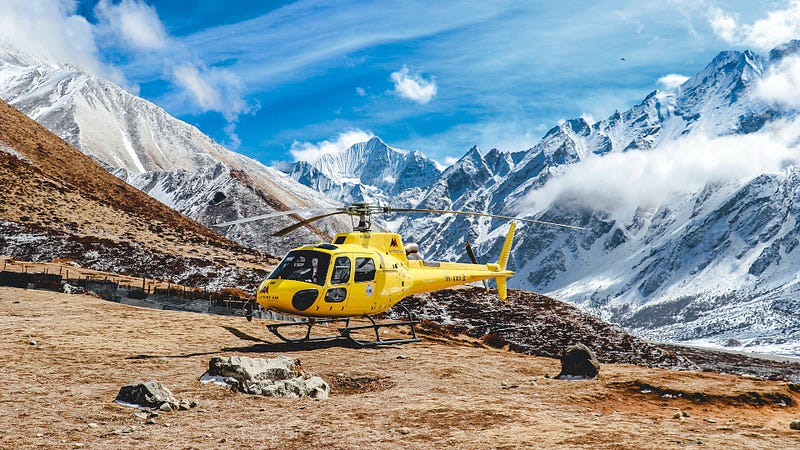
Everest Base Camp on Helicopter
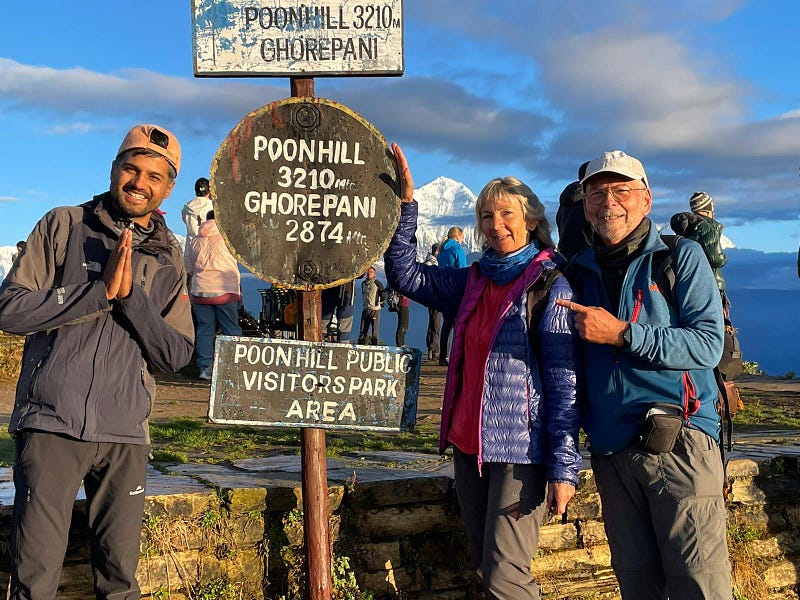
3. Poon Hill Trek
· Duration: Approximately 4 to 5 days
· Highest Altitude: 3,210 meters at Poon Hill
· Experience: This trek is perfect for beginners or those with limited time. It offers spectacular sunrise views from Poon Hill, overlooking the Annapurna range, and passes through enchanting villages and rhododendron forests1.
4. Gokyo Lakes Trek
· Duration: About 8 days
· Highest Altitude: 5,360 meters at Gokyo Ri
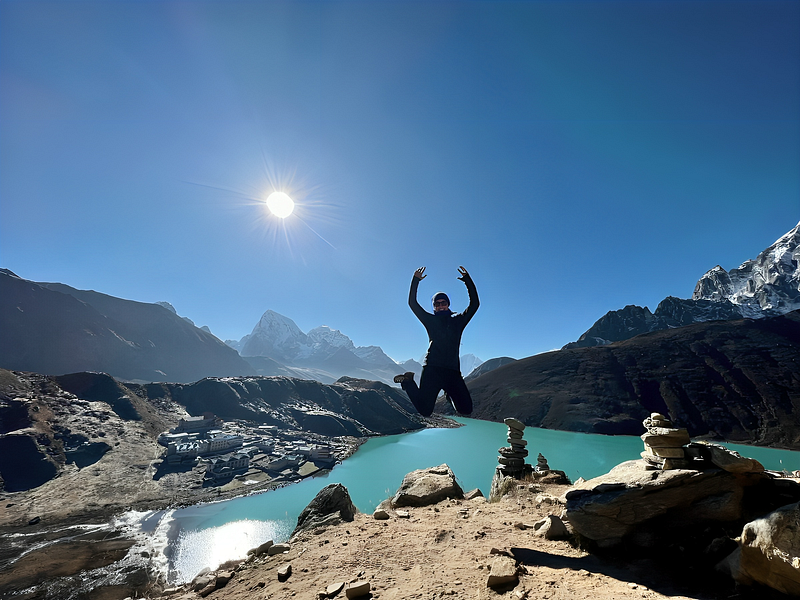
· Experience: Known for its serene blue lakes and stunning mountain vistas, this trek is less crowded than the Everest Base Camp trek but equally breathtaking. It offers panoramic views of Everest and other high peaks1.
5. Upper Dolpo Trek
· Duration: Approximately 25 to 30 days
· Highest Altitude: High passes above 5,000 meters
· Experience: This challenging trek takes you through remote landscapes, ancient monasteries, and turquoise lakes. It’s ideal for experienced trekkers seeking adventure and solitude1.
When to Trek in Nepal
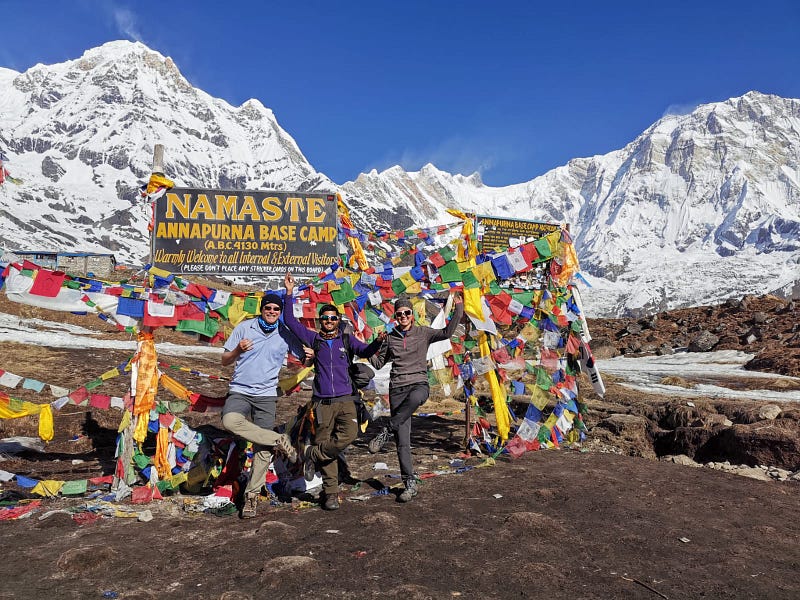
Annapurna Base Camp Trekking
The best time to trek in Nepal is during the spring (March to May) and autumn (September to November). These seasons offer clear mountain views, pleasant weather, and fewer risks of landslides or snowstorms.
· Spring (March to May): This is the peak trekking season, with warm weather and clear skies. Rhododendrons bloom in April, adding vibrant colors to the trails2.
· Autumn (September to November): Known for its stable weather and clear mountain views, autumn is another popular time to trek in Nepal.
Preparing for Your Trek
Before embarking on your trek, ensure you have:
· Physical Conditioning: Trekking can be strenuous, so it’s essential to be physically fit.
· Guides or Porters: Consider hiring a guide or porter, especially for more challenging treks.
· Permits: Obtain necessary permits and register with local authorities.
Conclusion
Trekking in Nepal is an unforgettable experience that combines adventure, nature, and culture. Whether you choose a popular route like Everest Base Camp or a more secluded trek like Upper Dolpo, Nepal has something to offer every kind of trekker. At Happy Mountain Nepal, we invite you to explore the Himalayas with us and experience the beauty and magic of this incredible country.
Happy Mountain Nepal is dedicated to providing you with the best trekking experiences in Nepal. Contact us to plan your next adventure!
High-altitude trek is something different in experiences-it offers the most breathtaking views and moments embedded in memory, yet with it come quite particular challenges. The organism gets used to changes in oxygen supply, temperature, and greater exertion when the altitude is growing. This involves much more than just mere physical preparation. Health and safety is something that is always given due attention.
In this busy travel world, here are a few health tips on caution that should be undertaken while joining high-altitude adventure activities:
1. Understanding Altitude Sickness
Above 8,000 ft or 2,400 meters has mostly been the common risk factor among trekkers. This is a condition known as altitude sickness or AMS- Acute Mountain sickness, including symptoms such as headache, dizziness, nausea, fatigue, and shortness of breath. In order not to acquire this, one has to be aware of the risks and take the necessary precautions.
How to Prevent It:
The body needs time for acclimatization; hence, ascend should be gradual. The general rule is to start with an elevation over 8,000 feet. Start to increase sleeping elevation, though never more than about 1,000 feet (300 meters) per day.
Drink plenty of fluids. Inadequate hydrated fluid in your body can worsen the condition of AMS.
Lay over in higher elevations and include rest days in your schedule when giving time to the body for acclimatization.
2. Acclimatization is Key
Acclimatization is a gradual process of adjustment to high altitude. In itself, acclimatization can avoid AMS and condition your body to take on physiological stresses involved with trekking.
Tips to Acclimatize:
High and Sleep Low: This translates to uphill during the day, but lower down in altitude every evening to enable the body to acclimate to thin air.
Be conscious of early signs of altitude sickness. When you don’t feel good, begin descending right away. Go see a doctor if necessary.
3. Physical Preparation and Fitness
Though acclimatization is the most important factor for a successful high-altitude trek, one’s body has to be in good trim, too. Strengthen your cardiovascular system; improve your stamina so that your body can bear the strenuous situation you will face there.
Fitness Tips:
Cardio Training: Hiking, running, or cycling in aerobics are helpful in making a person gain stamina.
Muscle Strength: These are the most important factor for increasing your capability to carry loads on uneven and rocky terrain.
Flexibility and Balance: Regular stretching in respect of flexibility and balance is an important component toward succeeding on rocky and steep trails.
4. Protection against Cold and Sun Exposure
The trekkers who go on a high-altitude trek are usually exposed to extreme weather conditions — scorching sun and icy cold which may if the protection is not apt, lead to a number of issues such as frostbites or sunburns.
Sunscreen and Shades: With the automatic altitude gain comes stronger ultraviolet rays; hence, to keep the skin healthy, one has to apply sunscreen with a high SPF and wear UV-blocking sunglasses appropriately.
Accessories of Warmth: One should not forget to pack some gloves, hats, and scarves that keep the extremities warm.
5. Diet and Nutrition for High-Altitude Treks
Your nutritional needs at high altitude differ from sea level. The body will use more calories while your appetite is lowered by changes in altitude. It is very important to have the right balance of food to take on a trek.
Diet Tips:
High-Calorie Foods: Take along nutrient-dense, high-calorie snacks to maintain energy levels, such as nuts, dried fruits, energy bars, and trail mix.
Complex Carbohydrates: These are whole grains, oats, and vegetables and are useful to continue providing a source of energy.
In addition, avoid alcohol and caffeine; both can cause dehydration and exacerbate the symptoms of AMS.
6. Hydration and Water Purification
High altitude can be prone to faster dehydration, and the susceptibility to AMS and other health complications might become a lot greater. During your trek, it is very important to drink plenty of fluids, but equally important is ensuring the water is safe to drink.
Hydration Tips:
Always carry a water bottle or hydration system to keep water easily accessible.
Always move on with the purification tablets or filtration system to treat water from streams or any other natural source.
Drink water throughout the day without waiting to get thirsty.
7. Stay Mentally Prepare
It gets as significant for mental preparation in high altitude trekking, much like that for the physical part. Like this, extreme conditions, exhaustion, and alienation test a person’s mental strength, too. A great sense of optimism, accompanied by strong focus towards achieving a goal, shall help to pass over these boundaries.
Mental Health Tips:
You will encounter harsh journeys but those are factors making you journey through them to the aim.
Stick with your trekking group and guide wherever possible. It would improve the communal experience of travel as well — and can cut loneliness.
Do some kind of relaxation method for example deep breathing that will help you reduce your stress and fatigue.
8. Essential Medical Precautions
High-altitude trek shouldn’t be done without being in proper health, and certain medical precautions are very important. Consultation with a healthcare provider will also contribute to avoiding altitude illnesses.
Medical Advice:
All the vaccinations should be up-to-date, and your doctor shall also give recommendations on extra vaccinations that one would need while going to high altitude.
There are certain medical conditions for which patients need to travel with the medication always. Diamox (Acetazolamide) for Altitude Sickness-but only under the consultation of your physician.
Carry a general first-aid kit along, which is additionally equipped with bandages, antiseptics, pain relievers, and medications for altitude sickness.
Conclusion
High-altitude trek preparation is extremely serious regarding health and safety. The precautions taken by your good selves in necessary ways, getting physically and mentally ready will ensure that the chances of turning out successful in trekking safely have been immensely helped. Be it Everest Base Camp Trek or any other equally grueling itinerary; the health tips and cautionary steps proposed certainly assure of being adequately prepared to venture through the escapade and wholly absorb vistas that lie in store for a visitor at the crown of the world.Contact us today at Happy Mountain Nepal, Facebook, Instagram, or TikTok.
FAQs
1. What is altitude sickness, and how can I prevent it?
Altitude sickness, or AMS for acute mountain sickness, is what happens at over 8,000 feet (2,400 meters) elevation with headache, dizziness, nausea, and fatigue. Precautions on how to prevent it are to ascend with gradual increases, stay hydrated, and take days off for restful acclimatization.
2. How can I acclimatize to high altitudes effectively?
Acclimatization means going high and allowing the body to acclimatize. A good principle is going high during daytimes but then sleeping low, at much lower altitudes, during nighttime. If your body is not okay, move downhill.
3. What physical preparation do I need for a high-altitude trek?
Physical Conditioning: cardiovascular exercises such as hiking, running, and cycling to enhance endurance; strengthening of muscles, especially for uneven terrain; flexibility exercises to ensure good balance.
4. How do I protect myself from cold and sun exposure during the trek?
Multi-layered clothes to keep warm and dry. Sunscreen with high SPF and UV-blocking sunglasses to avoid the burning ultraviolet rays of the scorching sun. Not to forget gloves, hats, and scarves for warmth.
5. What should I eat during a high-altitude trek?
Pack food with high nutrition value and high calorie like nuts, dried fruits, energy bars, and trail mix. Stress on complex carbohydrates like whole grains, oats, and vegetables which will give you long-lasting energy.
6. How much water should I drink during a high-altitude trek?
Drink plenty of water throughout the day even if you are not thirsty. Bring a water bottle or hydration system and purify natural source water using purification tablets or filtration systems.
7. How do I know if I’m experiencing altitude sickness?
Symptoms that may develop within the first hours of arriving at high altitude are headache, dizziness, nausea, and shortness of breath. Such symptoms require immediate descension to a lower altitude and then seeing a physician if the symptoms get worse.
8. What mental preparation is needed for high-altitude trekking?
Mental toughness is required. The individual should not be pessimistic, but positive, with intentions for the trekking objective. Sometimes, the climate may be bad. At times, it may also be inaccessible. Teach yourself to relax and dispel tension and muscle fatigue through breathing exercises.
9. What vaccinations do I need before going on a high-altitude trek?
You should see a health care provider and find out you are up to date on all of your vaccinations. Other countries may have more specific vaccinations required, including typhoid, hepatitis, and rabies.
10. What should I include in my first-aid kit for a high-altitude trek?
Your first aid kit should be provided with bandages, antiseptics, pain relievers, medicine for altitude sickness like Diamox, and your personal medication that you might need during the trek. Always carry a basic kit with you.