Nestled in the heart of the Himalayas, Nepal is a climber’s paradise. Home to eight of the world’s fourteen peaks over 8,000 meters, including the legendary Mount Everest, Nepal offers an unparalleled range of climbing opportunities. From snow-covered giants to rock faces and remote trekking peaks, this landlocked country draws adventurers from every corner of the globe.
This blog takes you on a comprehensive journey into the world of climbing in Nepal. Whether you’re an experienced mountaineer seeking your next big challenge or a novice trekker looking to summit your first Himalayan peak, Nepal has something to offer. In this 7000-word exploration, we’ll cover everything from history, culture, and famous climbs to practical tips and safety considerations. Let the journey begin!
Chapter 1: The Historical and Cultural Roots of Climbing in Nepal
Nepal’s relationship with mountains is deeply spiritual. Known locally as “himals,” these peaks are often considered sacred, home to gods and spirits in both Hinduism and Buddhism. Long before the influx of Western mountaineers, local communities revered the mountains and developed rich traditions of living and thriving in these harsh environments.
Modern climbing in Nepal began in earnest in the early 20th century, with British expeditions seeking routes to the world’s highest summits. The 1953 ascent of Mount Everest by Sir Edmund Hillary of New Zealand and Tenzing Norgay, a Sherpa of Nepal, marked a milestone that thrust the nation onto the global stage. Since then, Nepal has become synonymous with high-altitude climbing.
Sherpas, an ethnic group native to the Himalayas, have played an essential role in the climbing narrative. Their strength, endurance, and local knowledge have made them indispensable guides and porters, often risking their lives to help others achieve their dreams.
Chapter 2: Iconic Peaks and Popular Routes
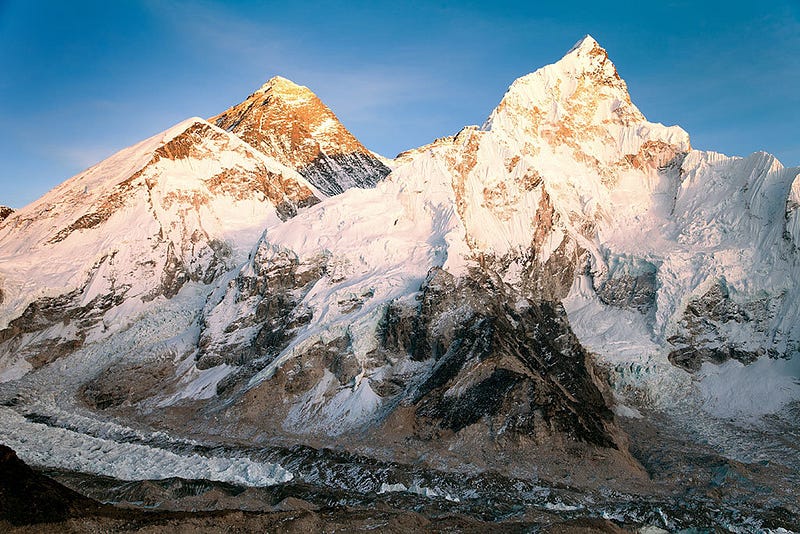
Mount Everest (8,848.86 meters)
The crown jewel of the Himalayas, Everest is the ultimate goal for many climbers. Most ascents are made via the South Col route from Nepal. The climb is physically and mentally demanding, requiring acclimatization, technical skills, and significant logistical support.
Lhotse (8,516 meters)
Often climbed in conjunction with Everest, Lhotse is the fourth highest mountain in the world. Its steep faces and icy couloirs offer a challenging climb.
Manaslu (8,163 meters)
Less crowded than Everest, Manaslu provides a more remote and serene climbing experience. It is often considered a good training ground for those aspiring to climb higher peaks.
Ama Dablam (6,812 meters)
One of the most picturesque peaks in the Himalayas, Ama Dablam is known for its technical difficulty. Often referred to as the “Matterhorn of the Himalayas,” it requires rock and ice climbing skills.
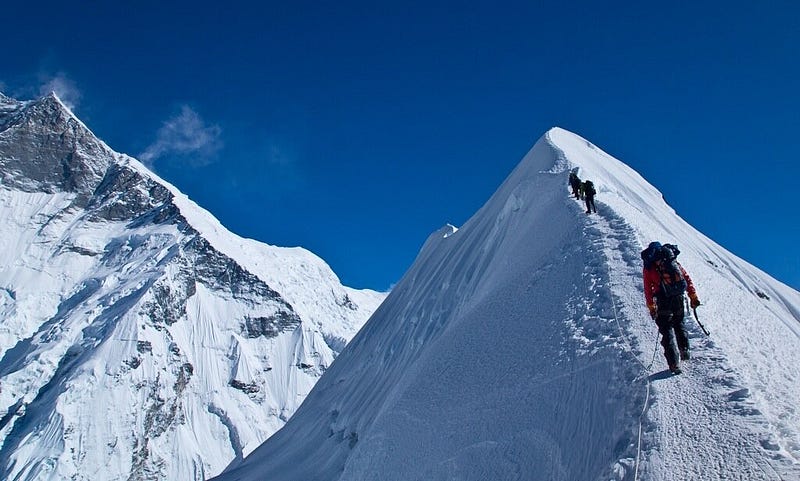
Island Peak (6,189 meters) and Mera Peak (6,476 meters)
These trekking peaks are popular among novice climbers. They offer a taste of high-altitude climbing without the extreme risks associated with 8,000-meter giants.

Chapter 3: Climbing Seasons and Weather Patterns
The best times to climb in Nepal are during the pre-monsoon (spring) season from April to early June, and the post-monsoon (autumn) season from late September to November. These periods offer stable weather, clearer skies, and better climbing conditions.
Spring is the most popular season for climbing Everest, with warmer temperatures and longer days. Autumn, while slightly colder, offers less crowded trails and excellent visibility. Winter climbs are rare due to severe cold and heavy snow, while the monsoon season (June to August) brings unpredictable weather and dangerous conditions.
Chapter 4: Training and Preparation
Climbing in Nepal requires rigorous physical and mental preparation. High-altitude environments demand cardiovascular fitness, strength, and endurance. Many climbers spend months training with a mix of hiking, climbing, strength training, and altitude acclimatization.
Essential training components include:
- Long hikes with heavy backpacks
- Technical climbing practice (ice axe, crampons, rope work)
- Cardiovascular endurance (running, cycling)
- Strength training (core, legs, and upper body)
- Mental resilience and stress management
Chapter 5: Gear and Equipment
Proper gear can make the difference between success and failure. Essential equipment includes:
- Mountaineering boots
- Crampons and ice axe
- Harness, ropes, and carabiners
- Helmet
- Down jacket and insulated layers
- Sleeping bag rated for extreme cold
- High-altitude tent
- Cooking stove and fuel
- First-aid kit and personal medications
Many climbers opt to rent some of the bulkier gear in Kathmandu, where mountaineering shops are abundant and well-stocked.
Chapter 6: Permits, Costs, and Logistics
Climbing in Nepal involves a range of permits and fees, depending on the peak:
- Everest: Requires a climbing permit (~$11,000), liaison officer, and other associated fees.
- Trekking peaks: Lower fees, managed by the Nepal Mountaineering Association (NMA).
- Conservation area permits and TIMS (Trekkers’ Information Management System) cards are also required.
Climbing costs can range from $2,000 for a trekking peak to over $70,000 for Everest, including guide services, logistics, gear, and insurance.
Chapter 7: Safety and Risk Management
High-altitude climbing carries inherent risks:
- Acute Mountain Sickness (AMS)
- Frostbite and hypothermia
- Avalanches and rockfalls
- Crevasse falls
Safety tips:
- Acclimatize gradually
- Stay hydrated and nourished
- Know the symptoms of AMS
- Use certified guides and porters
- Monitor weather conditions
Rescue services, including helicopter evacuations, are available but expensive — comprehensive insurance is essential.
Chapter 8: Environmental and Ethical Considerations
Climbers must minimize their environmental impact:
- Practice Leave No Trace principles
- Carry out all waste
- Respect local customs and sacred sites
Organizations like the Sagarmatha Pollution Control Committee (SPCC) and the Nepalese government have taken steps to reduce the environmental footprint of climbing, including waste removal programs on Everest.
Chapter 9: Personal Stories and Inspirational Climbs
Many climbers have found not just adventure but profound personal transformation in the Himalayas. From blind mountaineer Erik Weihenmayer summiting Everest, to young women from developing nations breaking barriers, the mountains of Nepal have inspired countless tales of courage, perseverance, and discovery.
Chapter 10: Beyond Climbing — Embracing Nepal
Climbing is just one facet of Nepal’s rich tapestry. Take time to explore:
- Kathmandu Valley’s ancient temples and stupas
- Traditional Sherpa villages in Khumbu
- The vibrant city of Pokhara
- Buddhist monasteries tucked into the mountains
Engaging with local culture adds depth to the climbing experience. Whether it’s sharing tea with a Sherpa family or participating in a local festival, these moments create lasting memories.
Conclusion
Climbing in Nepal is more than a physical endeavor — it’s a journey of spirit and soul. The mountains challenge, inspire, and ultimately transform those who dare to reach their summits. With preparation, respect, and humility, any climber can find not just the top of the world, but a deeper connection to it.
So lace up your boots, shoulder your pack, and take the first step. Nepal’s mighty peaks are waiting.

No comments:
Post a Comment