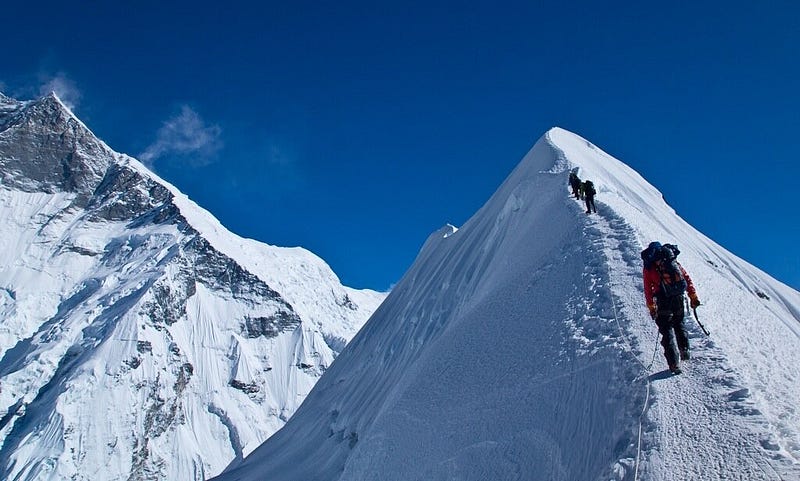
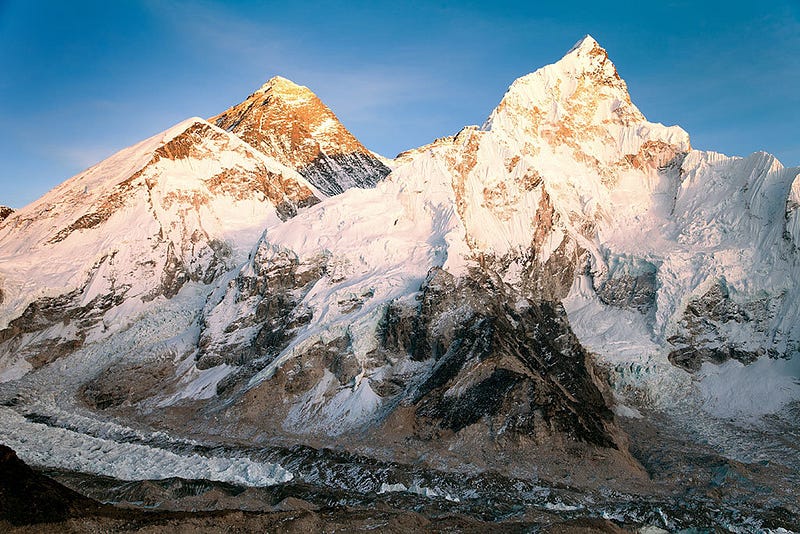
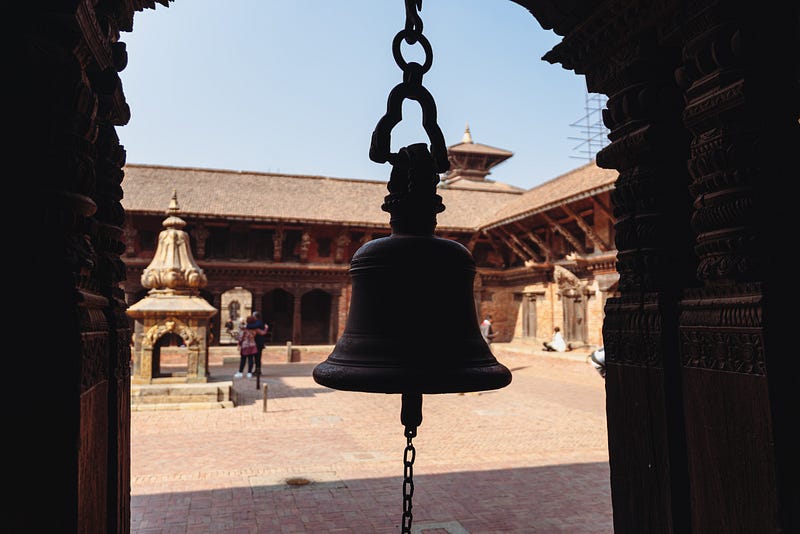
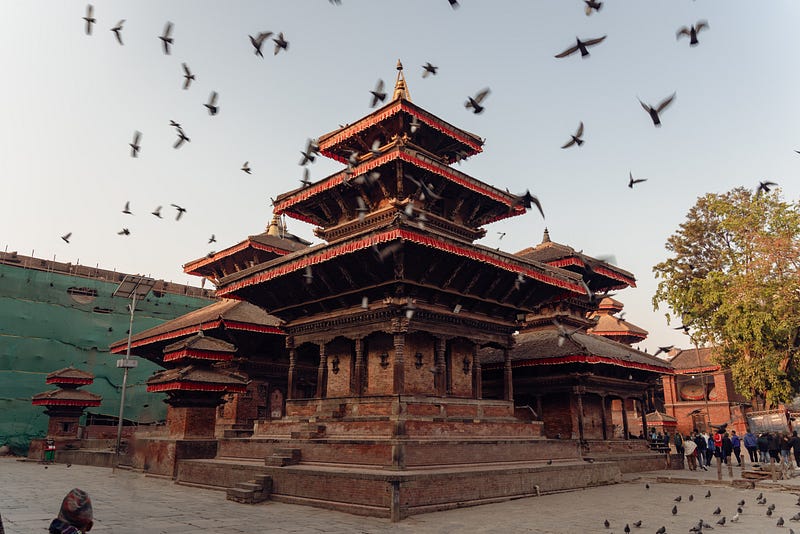
Nestled in the shadows of the eighth-highest mountain in the world, the Manaslu Circuit Trek is a hidden gem among Nepal’s trekking routes. While it does not enjoy the same fame as the Everest Base Camp or Annapurna Circuit treks, Manaslu offers an unparalleled experience of adventure, serenity, and cultural immersion. Circling the majestic Mount Manaslu (8,163 meters), the trek takes travelers through lush forests, roaring rivers, suspension bridges, remote Buddhist monasteries, and traditional Tibetan villages.
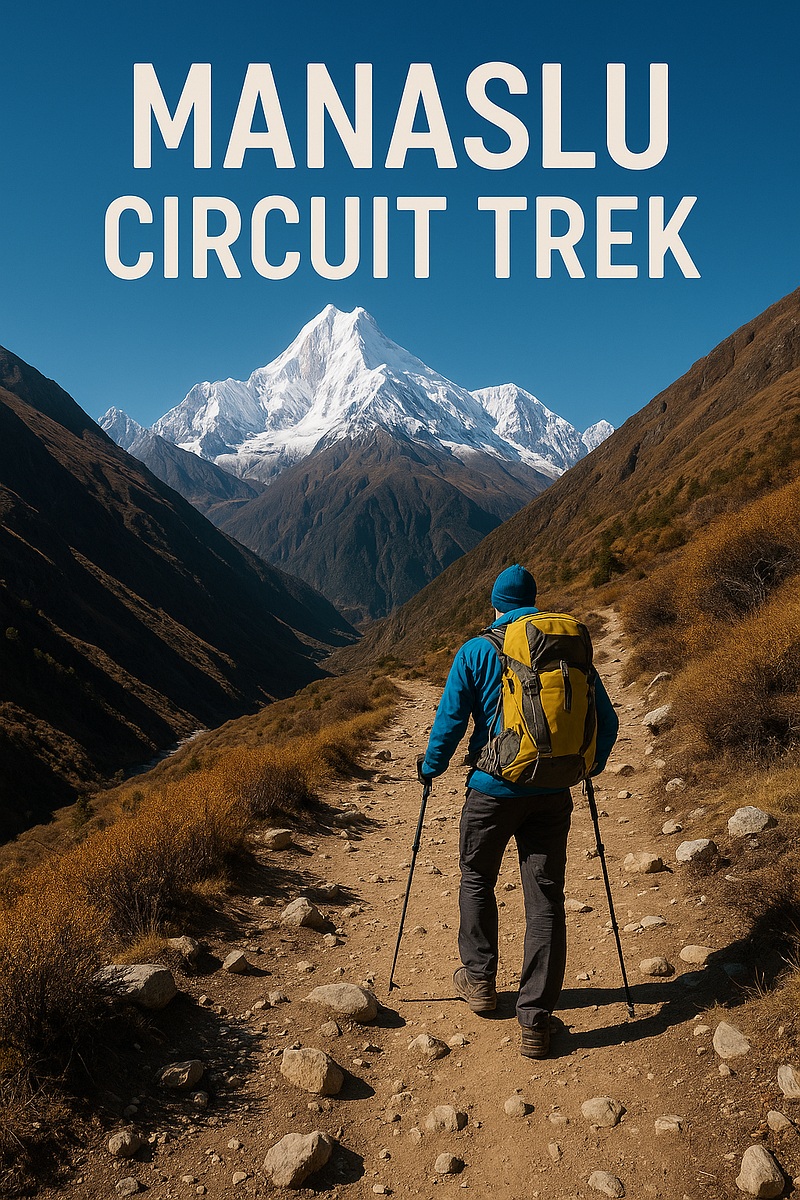
For those seeking a less commercialized but equally stunning Himalayan journey, the Manaslu Circuit is the perfect expedition. Spanning approximately 177 kilometers (110 miles), the trek usually takes around 14 to 18 days, depending on the chosen itinerary and pace. Notably, the trail requires a special restricted area permit, which adds to its exclusivity.
In this extensive guide, we will delve deep into the Manaslu Circuit Trek — its history, cultural significance, the trekking experience, preparations, and challenges — so you have a complete understanding before embarking on this life-changing adventure.
Chapter 1: The History and Discovery of the Manaslu Region
Early Exploration
The Manaslu region, also known as Kutang, has long been a sacred and mystical place for the indigenous communities living there. However, for centuries, it remained unknown to the outside world. The first Western exploration of Manaslu occurred in the 1950s when British and Japanese climbers began scouting the mountain.
In 1956, a Japanese expedition successfully summited Manaslu, leading to increased interest in the region among mountaineers. Yet, the circuit trek remained relatively undiscovered compared to the popular Annapurna and Everest routes.
Restricted Area
One of the main reasons for Manaslu’s limited exposure is its designation as a restricted area by the Government of Nepal. The restriction aims to preserve the region’s fragile environment and rich Tibetan Buddhist culture. Trekkers must obtain special permits and be accompanied by a licensed guide, ensuring controlled tourism and conservation.
Chapter 2: Geographical and Cultural Diversity
Landscape and Biodiversity
The Manaslu region spans altitudes from 600 meters in the lowlands to 5,160 meters at the Larkya La Pass, offering an incredible range of ecosystems. Dense subtropical forests dominated by rhododendrons give way to alpine meadows, glacial rivers, and barren plateaus reminiscent of Tibet.
The area is part of the Manaslu Conservation Area, home to endangered species such as the snow leopard, red panda, Himalayan tahr, and blue sheep. Over 1,500 species of flora and a rich variety of birdlife also thrive here.
Cultural Tapestry
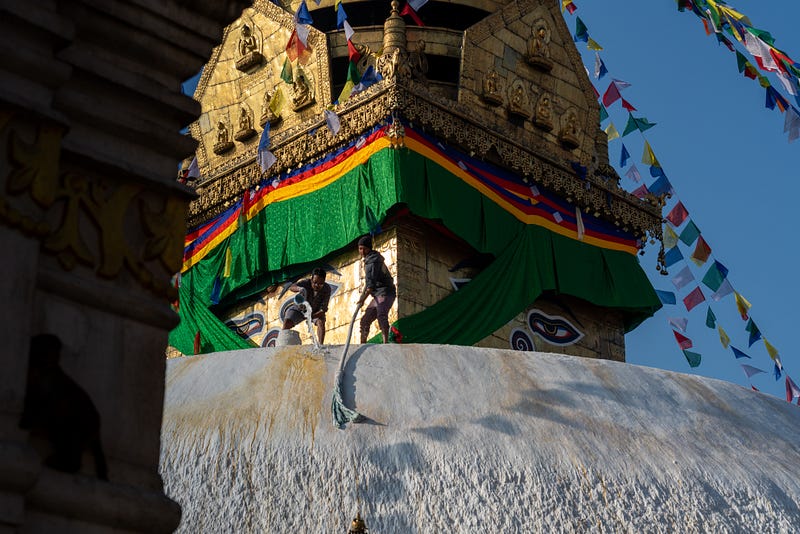
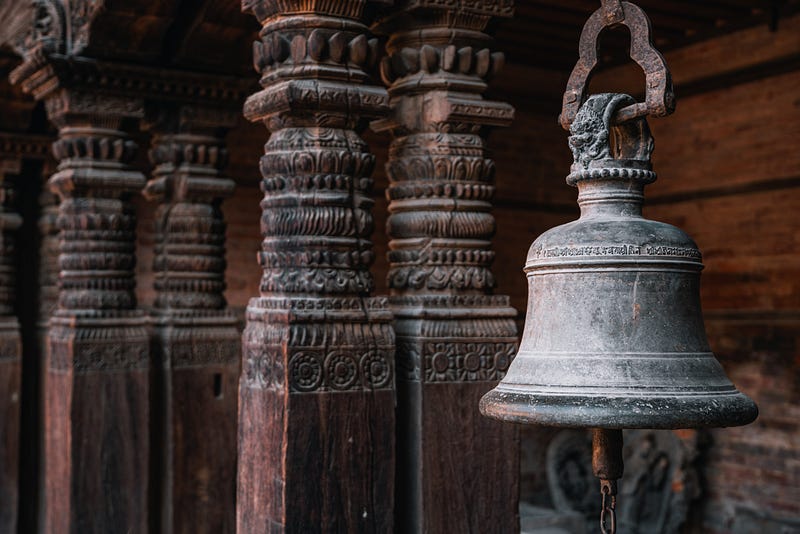
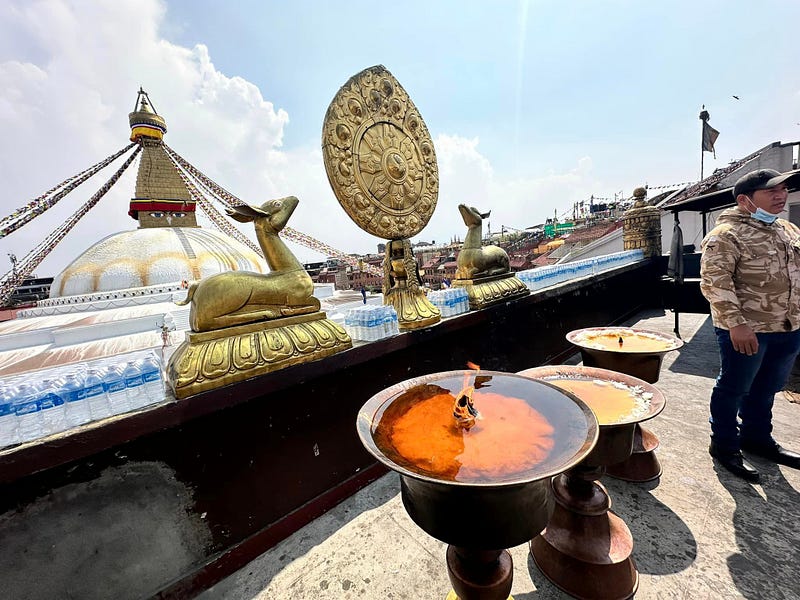
The Manaslu Circuit is a journey through diverse ethnic communities — Gurungs in the lower regions and Tibetans known as Nupri in the higher regions. The strong Tibetan influence is palpable through the mani walls, chortens, monasteries, and prayer flags adorning the trail.
Religious festivals like Losar (Tibetan New Year) and Dumje are celebrated with vibrant dances, rituals, and feasts, and trekkers lucky enough to visit during these periods witness a culture largely untouched by modernization.
Chapter 3: The Trekking Experience
The Classic Itinerary
Here’s a typical Manaslu Circuit Trek itinerary:
- Day 1: Drive from Kathmandu to Machha Khola (approx. 8–9 hours).
- Day 2: Trek to Jagat (1,340m).
- Day 3: Trek to Deng (1,860m).
- Day 4: Trek to Namrung (2,660m).
- Day 5: Trek to Samagaun (3,530m).
- Day 6: Acclimatization day in Samagaun (optional side trip to Manaslu Base Camp).
- Day 7: Trek to Samdo (3,860m).
- Day 8: Trek to Dharamsala (4,460m).
- Day 9: Cross Larkya La Pass (5,160m) and descend to Bimthang (3,720m).
- Day 10: Trek to Dharapani (1,960m).
- Day 11: Drive back to Kathmandu.
Highlights of the Trek
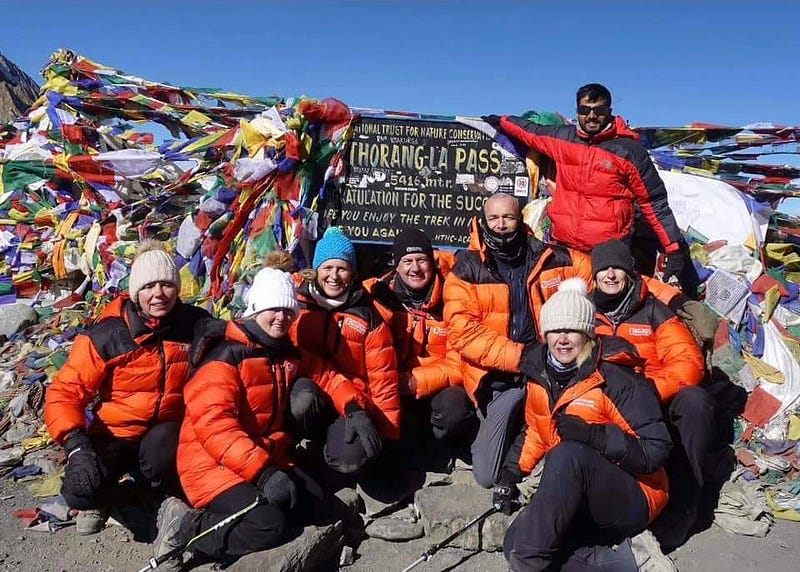
- Larkya La Pass: A grueling but rewarding high pass that offers panoramic views of Himlung Himal, Cheo Himal, Kang Guru, and Annapurna II.
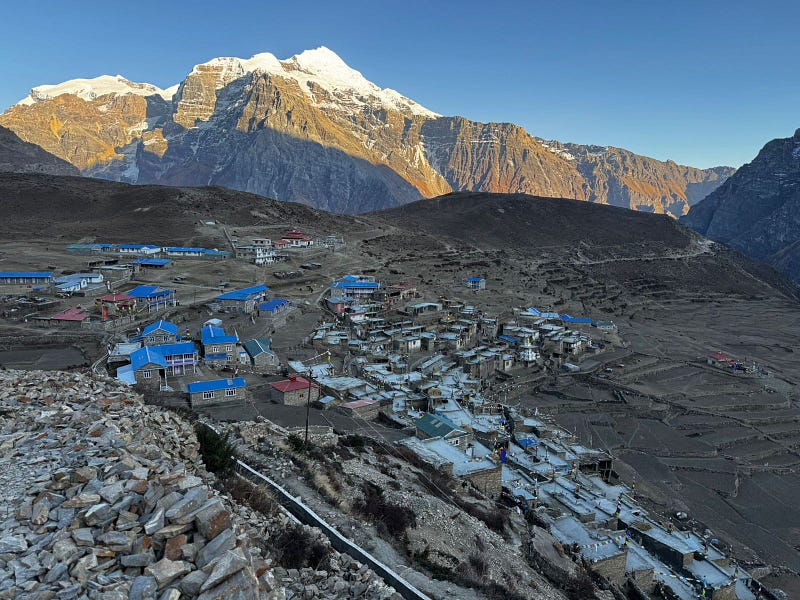
- Samagaun Village: A picturesque Tibetan village near Manaslu Base Camp.
- Birendra Lake: A glacial lake with turquoise waters just above Samagaun.
- Monasteries: Including Pungyen Gompa, an ancient monastery offering spiritual tranquility.
- Suspension Bridges: Some of the longest and most thrilling suspension bridges in Nepal.
Chapter 4: Preparation for the Manaslu Circuit Trek
Physical Fitness
The Manaslu Circuit Trek is considered moderately to highly challenging. Daily hikes can last between 6 to 9 hours, often on steep, rugged trails. To prepare:
- Start endurance training at least 2–3 months before the trek.
- Include aerobic exercises, strength training, and hikes with a loaded backpack.
- Practice hikes at higher altitudes if possible.
Permits and Paperwork
Trekkers need several permits:
- Manaslu Restricted Area Permit (MRAP)
- Manaslu Conservation Area Permit (MCAP)
- Annapurna Conservation Area Permit (ACAP)
You must trek with a registered guide and at least one other person, as solo trekking is not permitted.
Packing Essentials
- Layered clothing for varied weather
- Warm sleeping bag (rated to at least -15°C)
- Waterproof boots and rain gear
- Trekking poles
- Headlamp with extra batteries
- Water purification tablets
- Basic first aid kit
- High-calorie snacks
Chapter 5: Challenges on the Trail
Altitude Sickness
The risk of Acute Mountain Sickness (AMS) increases above 2,500 meters. Symptoms include headache, dizziness, nausea, and shortness of breath. Proper acclimatization, hydration, and a slow ascent are crucial.
Weather Conditions
Manaslu’s weather can be unpredictable. While spring (March-May) and autumn (September-November) offer the best conditions, trekkers must prepare for sudden snowstorms, rain, and strong winds.
Trail Conditions
Rockfalls, landslides, and icy trails at higher elevations can present dangers. Hiring experienced guides and staying updated on trail conditions mitigate these risks.
Chapter 6: Food and Accommodation
Teahouses
Manaslu Circuit now features a network of teahouses offering basic accommodation — usually twin rooms with shared bathrooms. Expect limited amenities, especially after Deng.
Meals
Teahouses serve Nepali staples such as dal bhat (rice and lentil soup), momo (dumplings), Tibetan bread, noodles, and pasta. As you ascend, food variety decreases and prices increase due to logistical challenges.
Hot showers, charging electronic devices, and Wi-Fi are available at some places for an extra fee.
Chapter 7: Unique Side Trips
Manaslu Base Camp
From Samagaun, trekkers can make a day trip to Manaslu Base Camp (4,800 meters). The strenuous hike offers jaw-dropping views of the mountain and glaciers.
Pungyen Gompa
An ancient Buddhist monastery near Samagaun, perfect for acclimatization and cultural exploration.
Rui La Pass
If you want to extend your trek, Rui La (4,998 meters) leads to the Tibetan border, offering insight into ancient trade routes.
Chapter 8: Responsible Trekking
Manaslu’s pristine environment is fragile. Responsible trekking practices include:
- Carrying out your trash
- Using water purification methods rather than buying plastic bottles
- Respecting local customs and religious sites
- Supporting local businesses by staying in teahouses and buying local crafts
Conclusion: Why Manaslu Circuit Trek Should Be Your Next Adventure
The Manaslu Circuit Trek is a life-altering journey, offering a perfect blend of natural beauty, cultural richness, physical challenge, and spiritual enlightenment. Unlike more famous trails, Manaslu remains relatively uncrowded, allowing for an authentic Himalayan experience.
Whether you are a seasoned trekker or someone seeking an off-the-beaten-path adventure, the Manaslu Circuit offers an unforgettable story — one that will stay with you long after your boots are off and your backpack unpacked.
Prepare well, trek responsibly, and open your heart to the wonders of the Manaslu region — you will not be disappointed.