The Nar Phu Trek is one of the most off-the-beaten-path trekking routes in Nepal. Located in the remote and less-explored regions of the Annapurna Conservation Area, it offers trekkers a combination of stunning natural beauty, fascinating cultural heritage, and a sense of adventure. This trek takes you through the hidden Nar and Phu Valleys, which are nestled in the northern part of the Annapurna Circuit, close to the Tibetan border. The trek is renowned for its rugged landscapes, ancient monasteries, and the opportunity to immerse yourself in the unique culture of the region’s Tibetan-influenced communities.

Geography and Location
Nar Phu Valley is located north of the Annapurna Circuit, in the Manang District of Nepal. The trek is typically completed over 12–16 days, depending on the pace and preferences of the trekkers. The valley lies at an altitude of around 3,700 meters (12,140 feet) above sea level, while the highest point on the trek, the Kang La Pass, stands at 5,320 meters (17,454 feet).
The region is relatively untouched by the mainstream tourist crowds, making it a perfect destination for trekkers looking for a more authentic and serene trekking experience. The route through Nar Phu Valley provides spectacular views of the Annapurna Range, including peaks like Annapurna II, III, and IV, as well as the distinctive Machapuchare (Fishtail Peak). The trekking area is surrounded by rugged mountains and barren landscapes, with a few isolated villages and Tibetan Buddhist monasteries scattered throughout the valleys.
History and Culture of Nar Phu Valley
Nar Phu Valley is historically significant because it has been home to Tibetan-influenced communities for centuries. The valley has long been a remote area, primarily inhabited by the Tibetan people. These communities traditionally rely on farming, herding, and trade, and they maintain a unique cultural identity shaped by their Tibetan roots. The region remains largely untouched by modernization, preserving its ancient way of life.
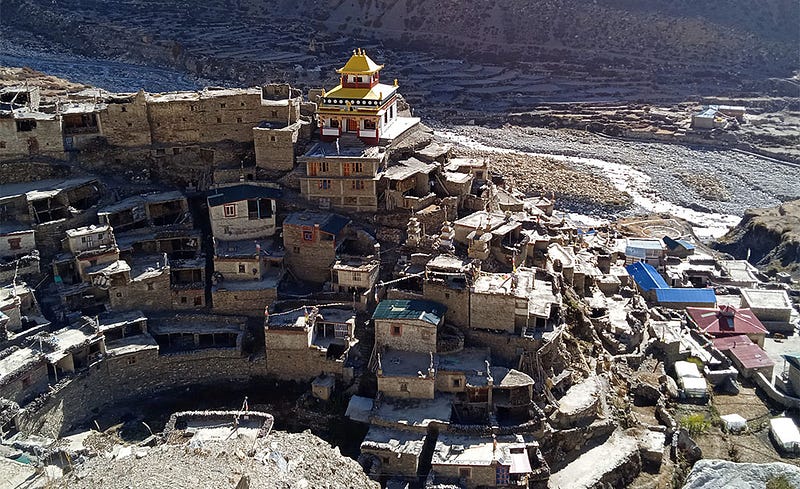
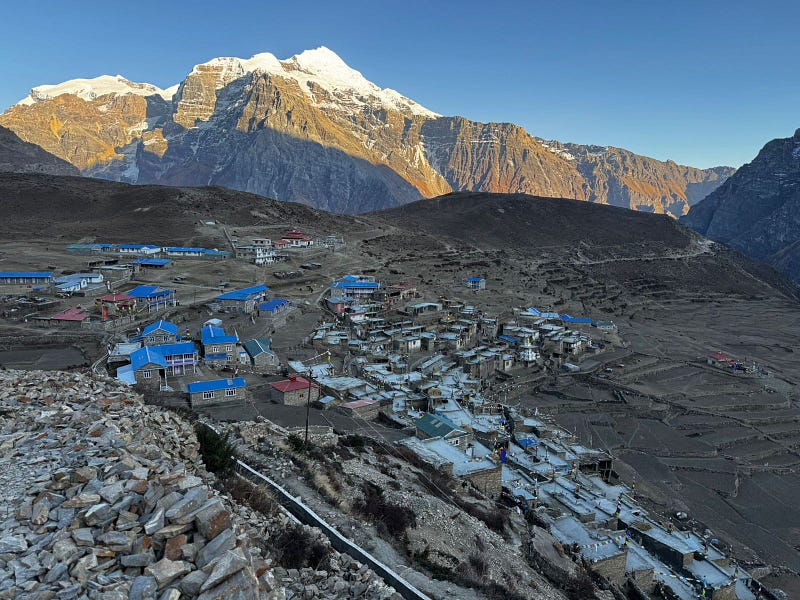
The two major villages in Nar Phu Valley are Nar and Phu, which are located in the northern part of the valley. Nar is known for its impressive stone houses and beautiful monasteries, while Phu is a smaller village, more isolated and traditional, with a population that still maintains a strong connection to Tibetan Buddhism.
A particularly fascinating feature of Nar Phu is its distinct Tibetan Buddhist culture. The people here have deep spiritual connections to their faith, and this is reflected in the many monasteries, chortens (Buddhist shrines), and prayer flags that adorn the villages and trekking routes. One of the highlights of the trek is visiting the ancient Tibetan monasteries in Nar and Phu, where you can witness traditional Tibetan Buddhist practices and rituals.

The Trekking Route
The Nar Phu Trek begins in the village of Besisahar, the starting point for the Annapurna Circuit. From Besisahar, you will follow the traditional route of the Annapurna Circuit, trekking through villages such as Ngadi, Bhulbhule, Syange, and Chamje. Along the way, trekkers pass through lush subtropical forests, cross suspension bridges, and trek along river valleys that provide spectacular views of snow-capped peaks.
After reaching the town of Manang, the route diverges from the Annapurna Circuit and continues to the remote Nar Phu Valley. The transition from the more populated areas of the Annapurna region to the isolated Nar Phu Valley is marked by a noticeable change in the landscape. The lush forests give way to arid, rocky terrain, with views of towering peaks and a stark, desert-like environment.
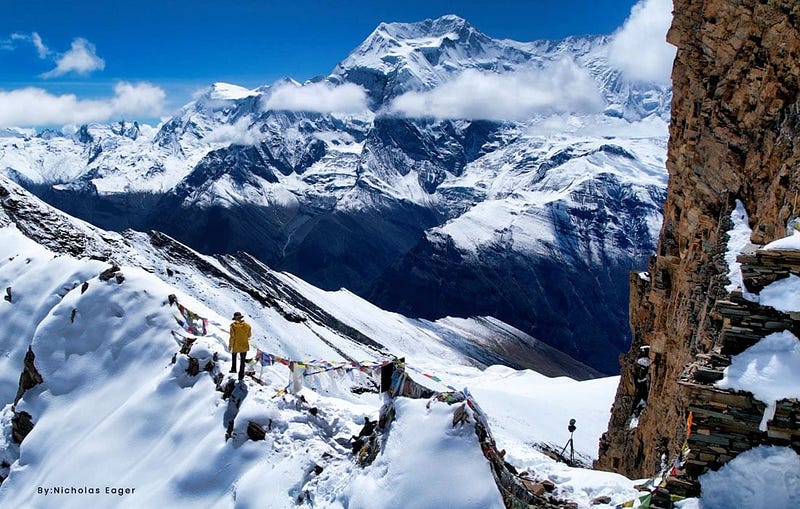
The trek through Nar Phu Valley is demanding, both physically and mentally. The elevation gain, combined with the rugged terrain, can be challenging for trekkers, so proper acclimatization is essential. Kang La Pass, which is the highest point on the trek, requires a long ascent and descent, but the views from the pass are absolutely stunning, with panoramic views of the Annapurna range and the surrounding mountains.
Highlights of the Nar Phu Trek
- Scenic Beauty: The Nar Phu Trek offers some of the most spectacular landscapes in the Annapurna region. The contrast between lush valleys and barren mountain terrain creates a dramatic backdrop, while the views of snow-capped peaks like Annapurna II and III, Manaslu, and Gangapurna are breathtaking.
- Tibetan Culture: One of the most unique aspects of the Nar Phu Trek is the opportunity to experience the traditional Tibetan lifestyle. The villages of Nar and Phu are largely untouched by modernity, and their inhabitants maintain a lifestyle that has been passed down through generations. Visitors can explore Tibetan Buddhist monasteries, interact with the locals, and learn about their way of life.
- Monasteries and Chortens: The trek is dotted with ancient Buddhist monasteries and chortens, which add a spiritual dimension to the journey. The Nar Monastery and the Phu Monastery are two of the most important religious sites in the area, and both offer a glimpse into the local Buddhist traditions. You will also find numerous prayer flags fluttering in the wind along the trekking route, which are an integral part of Tibetan Buddhist cult
- Kang La Pass: Reaching the Kang La Pass is one of the major challenges of the trek, but it is also one of the most rewarding. At 5,320 meters (17,454 feet), the pass offers panoramic views of the surrounding peaks and valleys. From here, you can gaze out over the high Himalayan mountains, including Annapurna II, Gangapurna, and the peaks of Manaslu.
- Isolated Villages: Nar and Phu are remote villages that offer an opportunity to step back in time. The people here live simple, peaceful lives, relying on agriculture, animal husbandry, and trade for survival. The isolation of these villages makes the trek particularly special, as it feels like stepping into another world, far from the hustle and bustle of modern life.
- Wildlife and Flora: The trek also provides an opportunity to observe the local flora and fauna. In the lower elevations, you will trek through dense forests, home to a variety of wildlife, including the Himalayan tahr, musk deer, and various species of birds. As you ascend to higher altitudes, the landscape transitions to alpine meadows and barren slopes, but the occasional glimpse of wildlife remains possible.
Best Time to Trek Nar Phu
The best time to trek the Nar Phu Valley is during the spring (March to May) and autumn (September to November). These months offer the best weather conditions, with clear skies and moderate temperatures. The spring season is particularly beautiful, as the valleys come alive with blooming flowers, while the autumn months bring crisp air and clear views of the mountains.
The winter (December to February) can be challenging due to heavy snow and freezing temperatures, especially at higher elevations. The summer monsoon season (June to August) brings rain and can make the trails muddy and difficult, so it is not ideal for trekking.
Acclimatization and Difficulty
The Nar Phu Trek is considered moderate to difficult, primarily due to its high altitude and the need for acclimatization. The trek takes you to over 5,000 meters (16,404 feet) at Kang La Pass, so it is important to allow enough time for proper acclimatization to avoid altitude sickness. Trekking in a slow and steady manner and staying hydrated are key to adjusting to the altitude.
It is also recommended to have prior trekking experience, especially in higher altitudes, as the trail can be strenuous and at times quite rugged. While porters and guides are available, it’s a good idea to have a reasonable level of fitness before embarking on this trek.
Permits and Regulations
To trek the Nar Phu Valley, you will need the following permits:
- Annapurna Conservation Area Permit (ACAP): Required for trekking in the Annapurna region.
- Nar Phu Valley Restricted Area Permit: Since Nar Phu Valley is a restricted area, a special permit is required, which can be obtained through a registered trekking agency.
- TIMS Card: The Trekkers’ Information Management System (TIMS) card is also necessary for trekking in Nepal.
Since the area is a restricted zone, trekking is only allowed through licensed guides or trekking agencies, which adds to the exclusivity and charm of the Nar Phu trek.
Conclusion
The Nar Phu Trek is an extraordinary journey that combines natural beauty, cultural richness, and a sense of adventure. It is a perfect choice for trekkers who are looking to escape the crowds and experience the authentic side of Nepal, far away from the typical tourist trails. The trek is challenging but immensely rewarding, offering stunning views, a peek into ancient Tibetan culture, and the thrill of discovering one of Nepal’s hidden gems. With its striking landscapes, remote villages, and spiritual atmosphere, the Nar Phu Trek is a once-in-a-lifetime adventure for those seeking a truly unique trekking experience in Nepal

No comments:
Post a Comment