Friday, February 28, 2025

Top Monasteries for a Spiritual Experience in Nepal


Nepal, the spiritual and highest nation of the entire world, is a abode for humans for mental peace and spirituality. Nepalese monasteries are not just spiritual monasteries but study monasteries, meditation halls, and reflection halls. Nepalese monasteries welcome humans to live at their complex except at a few places so that they can live the life of a monastic, study Buddhism, and wake up to the real world.

Some of the top-rated monasteries where you can stay in residence on your spiritual retreat are listed below:

1. Kopan Monastery — Kathmandu

Kopan Monastery is one of the extremely gorgeous hill overshadowing valley below, was founded in the 1960s by Lama Thubten Yeshe and Lama Zopa Rinpoche and now it is a most celebrated Buddhist study and meditation centre. It’s a Gelug school of Tibetan Buddhism with barely any monks and nuns. The serene atmosphere, disrupted only during daytime, is paradise for the hunter of soul.

Kopan is famous for one-month meditation retreats in which one can study full Buddhist philosophy, mindfulness, and self-development. There are peaceful gardens, prayer halls, and a library of books of Buddhist teachings. One has a chance to opt for morning meditation, witnessing the monks, and immersion into the Buddhist way of life. There are simple meals in the mess hall. Here, there is a culture of peaceful contemplation and refuge from the stress of modern existence.
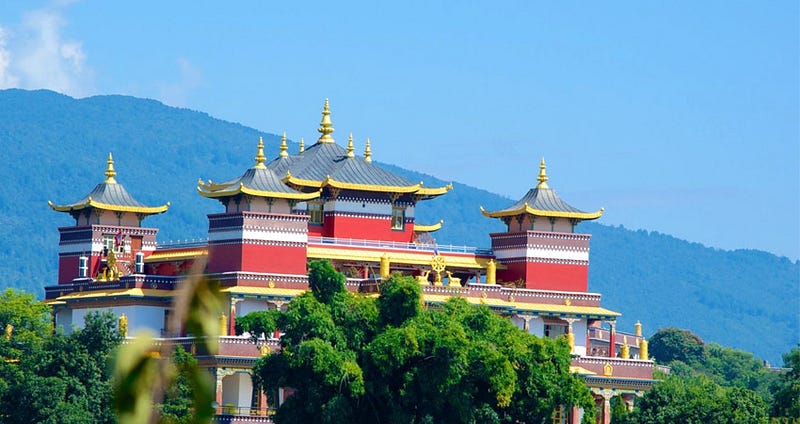
Source- Google

Things to Do at Kopan Monastery:

  1. One-month retreat stay: Experience a unique practice of Buddhist philosophy and meditation, i.e., karma, compassion, and mindfulness in everyday life.
  2. Early morning prayer and chanting ceremony: See real religious practice of monks praying together in congregation from sacred Tibetan scriptures in huge assembly halls.
  3. Garden meditation: Meditate in peaceful, well-manicured gardens with panoramic view of Kathmandu Valley and remain calm from inner core.
  4. Prayer and chanting session: Pray and learn the fundamentals of Buddhist philosophy from inner experts who are trained and learn how to implement that in everyday life as well.
  5. Visit the monastery library: Study Buddhism and become acquainted with monks and study Buddhist philosophy in depth.

2. Neydo Tashi Choeling Monastery — Pharping

Neydo Tashi Choeling Monastery is found in Pharping village town, a rural town, and a perfect location for a retreat and meditation holiday.

It is a Neydo Kagyu Tibetan Buddhist monastery and houses about 200 monks. This is one of the very few monastries that has a guesthouse accomodation. The guesthouse monastic income is used for feeding and the education of the monks. The peaceful environment, combined with officially approved meditational hours spent within the monastery, made it good for introspection. Pharping, sacred caves of which and where meditation was done by Guru Rinpoche, lies close by to stimulate the religious fervor. The monastery also has a peaceful prayer hall with paintings and photographs which stimulate the peaceful ambiance. Guided meditation, Buddhist debate, and veg lunch cooked by monks are also being arranged here.
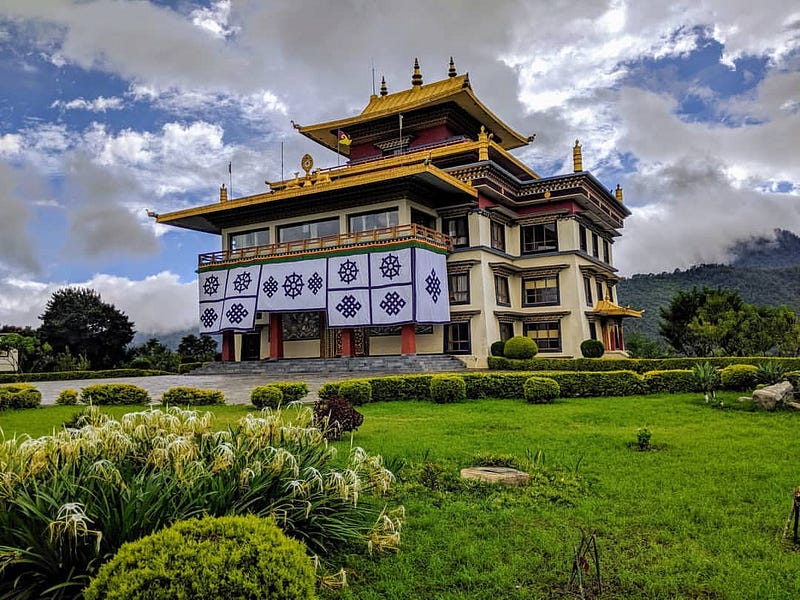
Source- Google

Things to do in Neydo Monastery:

  • Teaching practice of meditation: Gain the experience of meditational breathing and presence meditation from experienced monks.
  • Visit to the sacred cave: Have the opportunity to visit the Asura Cave where Guru Rinpoche meditated and feel the sacrosanctity of the cave yourself.
  • Contemplation silence later on: Get the opportunity to be close to the monastic community’s peace and sit and reflect in silence on life.
  • Learn Buddhist philosophy: Resident monks can learn the deep philosophy and teaching of Tibetan Buddhism.
  • Stay in the monastery guesthouse: Be a heart-mind monk but support monastery school programs.

3. Thrangu Tashi Yangtse Monastery — Namo Buddha

Thrangu Tashi Yangtse Monastery is located at Namo Buddha, Nepal’s most sacred Buddhist pilgrim destination. It is here that the former life Buddha gave his own flesh body to a hungry tigress and two cubs as an example of unexcelled compassion.

Thrangu Rinpoche’s monastery is on the hill where village stretches in all directions. It is a meditation retreat monastery and study center where Buddhist monks and Buddhist order pilgrims from around the globe are shelter. The monastery majestically constructed with gold-plated apex, beautifully completed wall murals, and a huge spacious prayer hall. Stay there would be something spiritual more with a facility to organize meditation retreats, question-and-answer with the monks, and studying Tibetan Buddhist way of life. The peaceful atmosphere, combine with the majestic sunrise and sunset view, also offer the best relaxation and meditation space.
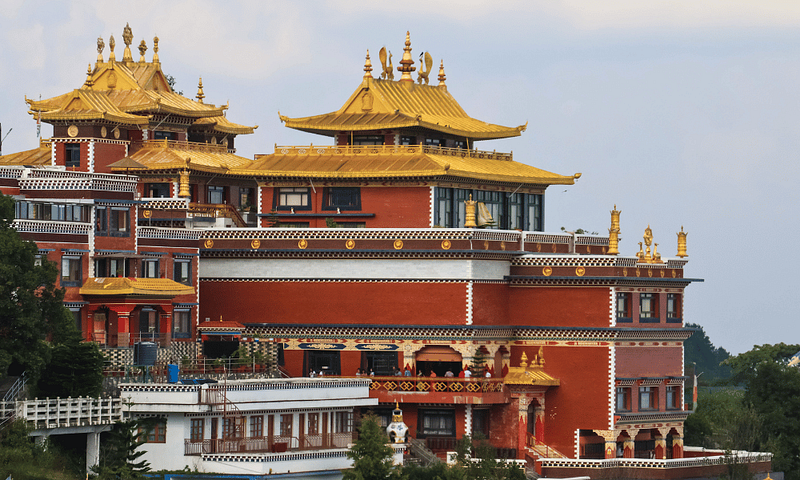
Source- Google

Activities at Thrangu Tashi Yangtse Monastery:

  • Sit at sacred spot: Make offerings by offering something at the sacred spot where Buddha gave his body to a starving tigress.
  • Hidden seminars: Study in true seclusion within secret retreats by very senior monks.
  • Monastery remains and murals: Uncover stunning Buddhist murals and very ancient holy remains within the monastery.
  • Panoramic hikes: Stroll along nearby trails with Himalayan sceneries and peaceful atmosphere.
  • Buddhist chanting: Listen or take part in daily intensive monk chanting practices.

4. Tergar Osel Ling Monastery — Kathmandu

Tergar Osel Ling Monastery is at peaceful Nagarjun hills of Kathmandu which is suitable for worshipful meditation practice.

World-famous celebrity Buddhist guru Mingyur Rinpoche runs Tergar Osel Ling Monastery under awareness and consciousness of training with a dash of humor. Even though one would effectively learn, well, elsewhere also at other monasteries similarly, silent retreat practicum of Osel Ling meditation retreat precedes solemn ordaining of practitioners to be world-free. Among greens, so among quiet and silence of mind too. Meditations are to be respected, the wisdom of the ancient meditators is to be followed, and prayer can be substituted. Thinking space and being space are luxury of simple monastic life of the monk. For others too, who would like to explore more into meditation, Tergar Osel Ling will take care.
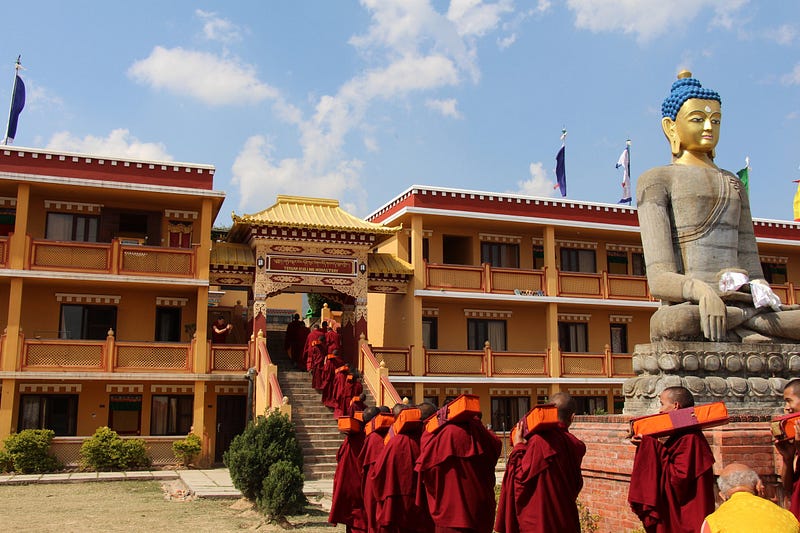
Source- Google

What to do at Tergar Osel Ling Monastery:

  • Silent retreats: Have silent days, become and form your awareness.
  • Mindfulness meditation: Learn the day’s secret meditation by Buddhist monks that is best to practice every day.
  • Morning prayers: Take classes to be accompanied by monastic chant and initiate the seasonal change.
  • Nature walks: Enjoy a quiet walk in the calm forest that towers over the monastery and best for walking meditation.
  • Dharma lessons audio: Listen to Buddhist instructors reciting Dharma lessons on various subjects such as impermanence, loving kindness, and calm mind.

5. Shechen Monastery — Boudhanath

Shechen Monastery, residence of Nyingma Tradition of Tibetan Buddhism, is situated close to the famous Boudhanath Stupa. It was establish by Dilgo Khyentse Rinpoche, Buddhist university. You can experience meditation retreat, and repository of Buddhist art here.

It is famous for heavenly painting sacred art, mythological murals, and beautiful frescoes. The Monastery Guesthouse provides the guest with accommodation if the guest is interest in learning the philosophy of Buddhism. Shechen Monastery monks’ quarters provide the daily prayer schedule, mind studies, and chanting. Some of the rituals are physical and even allowed to participate in some of them during religion classes. Moreover, it’s not very far from Boudhanath Stupa, one of the best Nepalese Buddhist pilgrims’ places, a monk is invited to either of them without any limit.

Things to Do at Shechen Monastery:

  • Join and chant along with them: Become hypnotized by chanted rhythmic syllable of the sacred word in peaceful surroundings.
  • Watch monastery painting: See orthodox Buddhist murals and frescoes.
  • Spend a night in a guesthouse: Spend one dormitory night under monastic discipline with monks themselves.
  • Tour the grounds around the Boudhanath Stupa: Circumambulate one of Nepal’s most sacred Buddhist pilgrimages, pray, and spin wheels of good karma.
  • Learn Buddhist philosophy: Learn Buddhist philosophy from expert professors.

Benefits of Spiritual Retreats

1. Mental Clarity and Stress Reduction

Spiritual retreat is where the mind is made capable to free itself from distraction by something in the world. Awareness, inner peace, and contemplation are freedom for the rightful not to be concerned, not to be gloomy, and be inner peace in self. Inner peace and inner psychic space to heal so that they can provide to nourish the mind in wholeness’ stability, openness, and inner peace.

2. Self-Discovery and Personal Growth

Self-realization and self-actualization may be achieved but at global mud withdrawal boundaries. There, imagination had to do it by wishes and feeling. However, it has been constrained to personal development where potential life, values, and objectives were dreamed up through the decision process.

3. Improved Physical Health

Their training also involves yoga and walk training. Conventional therapy of detoxification and diet restriction management body composition of gut, sleep cycle, and energy levels. All above factors when imposed are accountable for body wellness as well as mind wellness in the long term.

4. Stronger Emotional Resilience

Spiritual retreats are the ways through which he or she is purified through trial and trial and wherein he or she triumphs and overcomes in life with humility and mercy. Moreover, consciousness, forgiveness, and gratitude sentimentalize a human being and make him or her tension-free, change his or her past life, and fill his or her life with hope.

5. Renewed Perspective on Life

When solution and problem of life is harmonize by one, then he/she becomes single life as intellectual and physical recharger. He/she achieves clear-mindedness and tranquil mind, and thereafter complete human being gets new state of mind, fresh mind, and consciousness.

Conclusion

Nepalese monasteries are the untainted spiritual renewal, hard-core meditation, and contemplation. Nepalese monasteries are a trip from need to study Buddhist scriptures or need to flee twentieth-first-century reality from some grim place of nothingness. Each of the monasteries is precious in its own way, whether Neydo’s sacred grottos, Kopan’s mountain, or Tergar Osel Ling’s teaching. If you want to get your head around the perception-shifting work of attention, then Nepal monastery retreat, please contact us today at Happy Mountain Nepal, Facebook, Instagram, or TikTok.

FAQS

  • Can everyone live in a Nepalese monastery?
  • Yes, most monasteries provide retreat, meditation, and study to visitors, some of which do not provide staying.
  • Do I need to be Buddhist to live in a monastery?
  • No, monasteries receive visitors of any religion who wish to develop inwardly, become peaceful and wise.
  • What is life there?
  • Life is simple rural with dorm-bedroom type accommodation, hardly any beds at all, and veg food.
  • Is there any rule to follow?
  • Yes, there are few rules to be followed while residing in the monastery, i.e., silence during meditation, simple dress, and day routine following.
  • How long can I stay in a monastery?
  • Stay can be for a few days to a week or two depending on programs and guest policy of the monastery.
  • What activities are include in the stay?
  • They include meditation, prayer group, Buddhist philosophy classes, silent retreats, and community services.
  • Are monastery stays free?
  • Most monasteries charge little for the things like meal charge and accommodation charge in the majority of monasteries but donation monasteries are also present.
  • Do I need to be an experienced meditator to go to monasteries?
  • No, they also welcome beginners and the majority of monasteries also provide beginner courses for meditation and mindfulness.
  • Can I take phone and internet to the monastery?
  • There is not even a center or facility of the minimum use of the internet in most of the monasteries, and even digital immersion and detox there.
  • How do I book a stay at a monastery?
  • You can contact the monastery directly through their website, email, or phone or book via Nepal spiritual retreat planners.

Wednesday, February 26, 2025

Motorbiking Across Nepal


Motorbiking Across Nepal: The Ultimate Road Trip Guide

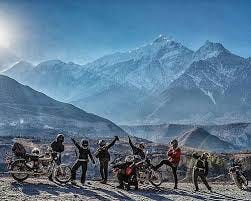
Nepal, the land of the titanic mountains, emerald valleys, and ancient world heritage, is a paradise for an adventure tourist. Mountaineering and trekking are today so trendy but motorbiking in Nepal is a new mode of traveling in the Himalayan nation. Nepal with its geologically varied country topography, motor-road-fitting road infrastructure, and unparalleled cultural diversity is a motorbike’s paradise because it would be the ultimate road experience travel tour in the era of motorcycling.

This do-everything guidebook brings you in on the whole range of motorbiking in Nepal. From planning routes and choosing motorcycles to pushing limits of endurance and motorbiking on the worst roads and villages, this guidebook will guide you through whatever it takes for a different ride.

Why Motorbike Across Nepal?

1. Diverse Landscapes

Nepal is not only bio-geographically, but also geographically highly varied, from pancake-flat Terai plains in the south to Himalayas in the north. Motorbiking provides a first-hand experience of this type of diversity, from rice paddy steppes and forest to desert peaks at high altitude.

2. Cultural Richness

Nepal is a mix of tradition, culture, and language. You have to go to the village and town side, then you will see the monasteries and temples of the ancient time and the festival, then only you will realize that Nepal has some history.

3. Adventure and Freedom

No ride is so much a liberty as the motorbiking club outing on open roads. Nepal’s bad roads and off-roads give that liberty, and thus it’s on every motorbiker’s bucket list.

4. Affordability

Nepal is cheap when it comes to motorbiking vacations. Petrol, food, and accommodation are cheap. It’s ideal for budget bikers.


Planning Your Motorbike Trip

1. Best Time to Visit

Best season to travel Nepal for motorbiking is dry season, i.e., spring. Weather is good and blue skies provide panoramic views of the Himalayas round the year during these seasons. Try to avoid travel during monsoon season from June to August during this time there is high chances of rains and landslides.

2. Choosing the Right Bike

You need to choose bikes on the basis of your route and riding experience. Here are some popular options:

  • Royal Enfield Himalayan: A reliable and sturdy bike designed for off-road adventures.
  • KTM Duke/Adventure: Perfect for both on-road and off-road riding.
  • Hero Xpulse 200: A budget-friendly option for light off-roading.
  • Scooters: Suitable for shorter trips in the Kathmandu Valley or Pokhara.

You can rent bikes in Kathmandu or Pokhara, with daily rates ranging from 10to10to50, depending on the bike.

3. Permits and Documentation

  • International Driving Permit (IDP): Ensure you have an IDP if you’re a foreigner.
  • Nepal Entry Visa: Obtain a visa on arrival or from a Nepalese embassy.
  • Restricted Area Permits: Some regions, like Upper Mustang and Upper Dolpo, require special permits. Make sure to do research of permits before starting your journey.

4. Packing Essentials

  • Riding Gear: Helmet, gloves, riding jacket, and boots.
  • Repair Kit: Spare tubes, tire repair kit, and basic tools.
  • Navigation Tools: GPS device or offline maps.
  • Clothing: Layered clothing for varying temperatures.
  • First Aid Kit: Include basic medications and supplies.

Top Routes for Motorbiking in Nepal

1. Kathmandu to Pokhara via Prithvi Highway

Nepal’s finest sightseeing motorbike tour is Pokhara to Kathmandu scenery variation with village sightseeing options. It’s 200 km motorbike tour of Nepal’s rugged capital Kathmandu that will grin your snap shot taken river gorges, rice paddy plateaus green of color, and villages. Green hills and mountains provide backdrop scenery to trekker throngs with sudden flash of adventure as city opens up to countryside.

In between, you can cross the Trishuli River, which winds its way through cliff-like narrow sections between two cliffs to give you a bumpy ride. The road itself is not that bad but rough in a couple of places. The rolling hills so beautiful by day or night, and handy stops to break along the way with stunning views across the hills, the valleys and out into the distance mist, the snow covered peaks. Rice-terraces cover in between and all the way to the very woods adding an extra kick to the tour making the tour lively and zestful.

When you reach Pokhara, it welcomes you to its serene, lake-surrounded environment. Pokhara is renowned for sunrise panorama of Annapurna Range, and the rider can indulge him/herself with view of serene Phewa Lake or paraglide, trek, or bike tour even. Pokhara is nature and adventure rolled in one destination, and it is one of those places where a rider can choose to relax after such long bike tour.

Highlights:

  • Scenic Views: Get the best panorama view of Annapurna and Machapuchare mountains.
  • Riverside Ride: Get an eye witness of the scenery of both sides of Trishuli River with the forest over them and peaceful views of the rivers while crossing.
  • Temples and Monasteries: Get religious destinations along the way in the form of temples like the Manakamana Temple.
  • Local Villages: Get to drive through Nepali village life and see the day half-way of the traditional rural people and monk.
  • Pokhara:
  • Charming lakeside town with relaxed culture, adventure sport, and fantastic lake front.

2. Kathmandu to Lhasa (Tibet)

Kathmandu to Lhasa ride is a loop ride that links the Nepalese capital to Tibet’s spiritual center. The ride is over 1,000 kilometers long and can only be done by experienced old-timers since the ride involves high-altitude bike tours and unmapped territories. The ride climbs slowly as it goes through hill towns before eventually coming out onto the Tibetan Plateau. The changing landscape, from forest to treeless, storm-torn steppes, is a visual feast that will remain etched in the memory of the horsemen forever on their return.

The trek is cultural because it traverses the Khunjerab Pass, the route of Buddhism and Hinduism. The Buddhist stupas, Tibetan monasteries, and shrines encountered along the journey are evidence of the country’s religious heritage. The start and finish are spiritual relief from the physical exertion of ascending and descending mountains such as the infamous Khunjerab Pass (more than 4,700 meters) is, for example, the legendary Khunjerab Pass. They can even overnight in tiny Tibetan villages where horse trekkers can see the country’s distinctive way of life and tradition.

The ultimate destination, Lhasa, was the perfect culmination of the trip. Tibet’s capital and home to two of the nation’s holiest sites, Potala Palace and Jokhang Temple, Lhasa is an introduction to Tibetan life at its finest. The city throbbed with the vibrant color and tranquility of Barkhor Street Tibetan Buddhism that spilled over into each backstreet. A cultural and religious motorcycle tour and one of the richest motorcycle tours in the globe, this motorbike tour is one that one should not overlook.

Highlights:

  • High-altitude Passes: The riders ride across the higher Tibetan Plateau and gaze upon the enormous Mount Everest.
  • Remote Villages: Gaze at century-old villages and society and way of living of Tibet.
  • Tibetan Buddhism: Gaze at the enormous Potala Palace and Lhasa’s Jokhang Temple, the two giants of Tibet civilization.
  • Himalayan Views: Panoramic shots of Everest, Cho Oyu, and other legendary summits.
  • Tibetan Cuisine: Traditional Tibetan fare like momo and yak beef curries.

3. Kathmandu to Chitwan National Park

The journey from Kathmandu to Chitwan bid farewell to city noise and bustle and dived into peaceful Terai jungles, into Nepal’s finest game park. Goodbye city noise and mayhem, Kathmandu to Chitwan road journey south into peaceful Terai jungle, into Nepal’s best game park. As direct as possible 170km, as the highway slices through villages and towns where Kathmandu Valley hillslope incline hits south Nepal plains. No sooner are you out of the Kathmandu Valley, rice fields, jungle, and winding rivers greet you with open arms from the city life concrete jungle of Kathmandu. The sightseeing tour will have to be divided between the Trishuli river, whose water is as pure as a Swiss water, rap patches give the added zip.

scenic backdrops with waving goodbye and waving hello to villages in between and crossing the very same intimidating riverbanks, on which you may choose to experience traditional without so much as a hint of modernity. Night stay is pre-trip wherein you have all the freedom in the world by yourself to enjoy the Nepalese village way of life. Chitwan National Park welcomes you upon initiation of arrivals within Chitwan, Nepal’s best wildlife resort. It is blessed with tigers, rhinos, and elephants with the finest safari tours for nature lovers. Apart from animals within the park, there’s also experience in national culture that can be discovered and integrated into the national music and dance. The tour also comes with natural wealth and culture and hence a worthy destination to visit for motorbike tour operators willing to motorbike in a multi-culture nation.

Highlights:

  • Wildlife Safari: Visit the Chitwan National Park and go on a safari to spot tigers, rhinos, and elephants.
  • Lush Jungle: Ride through the tropical forest and the picturesque Sauraha area, surrounded by rich biodiversity.
  • Tharu Culture: Experience the unique Tharu people’s culture and enjoy traditional Tharu dance and food.
  • River Ride: The route passes near the Rapti River, perfect for stopping and soaking in nature.
  • Chitwan’s Tranquility: The park’s serene environment is a perfect contrast to the hustle and bustle of Kathmandu.

4. Kathmandu to Rara Lake

Nepal’s most untouched regions, Rara Lake. Your journey will begin with the breathtaking view of the forests area which is then followed by the terraced fields which will later lead into the more complex mountain region. This specific area will give ardent motorcyclists some thrilling experiences as the route is filled with steep, rough off-road areas and pitiful mountain settlements. This whole route spans 600 kilometers. The roads are also filled with ko Insane tpasses which fiел you with the hilly region and theenan range. The view angles become more dramatic with rapid changes in altitude.

The route is unforgiving as the path can get rough and unpaved on certain sections. Riders will have to scale steep inclines, traverse rocky paths, and cross rivers. Nevertheless, the rewards far exceed the effort required. Rara Lake’s crystal-clear waters along with the lavender forests and snowcapped mountains make it stand out as one of Nepal’s most breathtaking sights. It’s a hidden gem in the true sense, where riders can seek peace and reconnect with the environment.

Rara Lake has very little development around it, which makes it a perfect spot to unwind and forget about the world. The region is wonderful for nature lovers, as one can hike, observe birds, or simply soak in the view. Rara also hosts the rich wildlife of an endangered red panda along with numerous other bird species. The route to Rara Lake is not just a physical journey but a spiritual one, offering an escape from the noise of modern life and a chance to experience one of Nepal’s most pristine environments.

Highlights:

  • Rara Lake: A stunning, large freshwater lake nestled between the mountains, surrounded by lush forests.
  • Off-Road Challenge: The route to Rara involves some tough terrains, perfect for thrill-seekers and experienced riders.
  • Wildlife and Nature: Discover the untouched landscapes, and witness a variety of wild animals, including red pandas and bears.
  • Small Villages: Pass through isolated villages that are rich in culture and tradition, offering a glimpse of rural life in Nepal.
  • Solitude: Enjoy the tranquility and solitude of one of the most remote locations in Nepal, far from the tourist crowds.

5. Kathmandu to Ilam

Covering 600 km, the Ilam ride starts from Kathmandu and takes you through the tea producing areas of eastern Nepal. The trek goes through the breathtaking beauty of Nepal’s tea producing areas. Kathmandu is the starting point. The journey goes along the bends with the Himalayas at its base. The capital’s dry climate changes to green hills with tea temples, forests and rustic villages as you ride towards east. The smooth roads with cool breeze makes the journey awesome.

You can take rests at multiple hill stations along the way as part of the refreshments to see the Kanchenjunga range and extreme hills. There are rhododendron forests around this route and the peak blooms in spring. Riders will also get to see the tea gardens of the region with well maintained tea bushes on the green hill of Ilam. It offers the long darts serenity. And the teas are extremely refreshing and locals will direct you to the tea estate to see the tea and the production process.

This area is also home to the Limbu people who enrich the culture with their unique traditions, festivals, and way of living. The experience is magnified further by their local customs, festivals and lifestyles. The town itself is quiet and peaceful and has activities such as hiking and bird watching as well as numerous natural landmarks to explore. Ilam is the perfect getaway from the more heavily visited parts of Nepal, providing peace and natural scenery for anyone who visits.

Highlights:

  • Tea Gardens: Ilam is known for its vast tea plantations, and a visit to the local tea estates is a must.
  • Rhododendron Forests: Ride through dense forests of rhododendrons, which bloom vibrantly in spring.
  • Panoramic Views: Enjoy stunning views of the Kanchenjunga mountain range and surrounding hills.
  • Local Culture: Ilam offers a unique blend of different cultures, especially the Limbu community, who have a distinct lifestyle.
  • Ilam’s Serenity: The town’s peaceful environment, surrounded by tea estates and natural beauty, makes it an ideal stop for relaxation.

6. Kathmandu to Dhulikhel

The hill town of Dhulikhel is on the outskirts of the capital but still keeps you 30 kilometers from it. The trip provides easy access to pristine Himalayan wildlife, plus a tranquil retreat from urban life. The location is perfect for the biker should you have the ability to get to the countryside without having ventured too far from the capital. The trek in Nepal starts with a couple of days in Kathmandu and you move along beautiful valleys, green pastures and upland roads. When you arrive in Dhulikhel, the weather is fresh and cool makes your joy trip more fun.

Hill town Dhulikhel lying on the fringe of the capital is merely a distance of thirty kilometers away from it. The drive is peaceful and convenient and with wonderful views of the Himalayas, while being a great escape from the city. Situated not far away, those who are avid motorcyclists and want to venture into the countryside but just not very close to the capital can have all their fun going on this outing. The trekking starts from Kathmandu and goes through the beautiful valleys, grassy meadows, and hill roads. It becomes chilly and the weather fresher on reaching Dhulikhel and thereby making your joy trip even more enjoyable. Dhulikhel is a peaceful hill station where you can experience a stunning view of gigantic Himalayan peaks like Mount Everest, Langtang, and Ganesh Himal.

The highway to Dhulikhel is lined with small Newar religious shrines and temples. Take sunrise and sunset here; do not hurry. The locale is peaceful, so one enjoys a good sleep after a trek, there quite literally being no small promenades and treks around. Dhulikhel culture is worth experiencing.

Dhulikhel is a cultural syncretism of ethnic groups in which Newars form the major population. They have maintained their culture and lifestyle in its purest form until today. Walking through the old town would be a testimony to its living cultural heritage of the cobblestone narrow streets, traditional Newar houses, and festive colors repeating again and again. Dhulikhel is a nature, culture, and adventure town and a good beginning to a short motorbike tour.

Highlights:

  • Mountain Views: The route offers spectacular views of the Himalayas, including Mount Everest and Langtang.
  • Old Town: Visit the ancient town of Dhulikhel, with its temples and old Newar architecture.
  • Sunrise and Sunset: Dhulikhel is famous for its breathtaking sunrises and sunsets over the mountains.
  • Hiking Trails: Enjoy short hikes from Dhulikhel to nearby viewpoints or the surrounding villages.
  • Cultural Heritage: The region is rich in culture and is home to the indigenous Newar community.

Challenges of Motorbiking in Nepal

1. Road Conditions

The roads of Nepal can be treacherous, with potholes, landslides, and steep mountain passes. Be prepared for bumpy roads and ride carefully.

2. Altitude Sickness

When riding to high-altitude places like Upper Mustang or Everest Base Camp, watch out for signs of altitude sickness. Acclimatize well and drink enough water.

3. Traffic and Safety

Traffic in Kathmandu city is mad. Always use a helmet and obey local traffic rules. Never drive at night as roads are poor and visibility is poor.

4. Weather Changes

Weather in Nepal is unpredictable and can change at short notice, especially in the mountains. Carry rain gear and spare clothes to be prepared.

Tips for a Successful Motorbike Trip

1. Organize Your Travel Itinerary

Organize in advance and have a back-up plan in case the road is closed or rains.

2. Remain Connected

Purchase a local SIM card and use it to navigate, and as an emergency contact. Ncell and Nepal Telecom both have great networks everywhere.

3. Be Respectful of the Culture

Nepal is a conservative nation. Dress conservatively and request permission before photographing natives or temples.

4. Stay Hydrated and Energized

Carry water and snacks, especially on long rides. Local tea houses and roadside dhabas offer delicious and affordable meals.

5. Join a Guided Tour

If you’re new to motorbiking or Nepal, consider joining a guided tour. Local operators like Himalayan Motorcycle Tours and Himalayan Roadrunners offer well-organized trips

Conclusion

Motorbiking across Nepal is more than just a road trip; it’s an adventure that will stay with you for a lifetime. From the thrill of navigating winding mountain roads to the serenity of remote valleys and the warmth of local hospitality, Nepal offers an unparalleled experience for bikers.

Whether you’re a seasoned rider or a beginner, this ultimate road trip guide will help you plan your journey and make the most of your time in this incredible country. So, gear up, hit the road, and get ready to explore Nepal on two wheels!

Monday, February 24, 2025

Cultural Experiences in Nepal That Kids Will Love


Nepal, the country renowned for natural beauty and cultural richness, is children’s and family entertainment paradise. Nepal is a country of countless cultural activities as enriching as they are enjoyable for travelers traveling with children. With its living festivals, archaeological sites, heritage crafts, and wildlife activities, Nepal is a country where children can experience history, culture, and nature in an enjoyable as well as enriching manner. A few of the top Nepal cultural activities for kids that are being highlighted in this blog, along with a short guide on how the same can be blended together for kids to have learning and fun experiences, follows:.

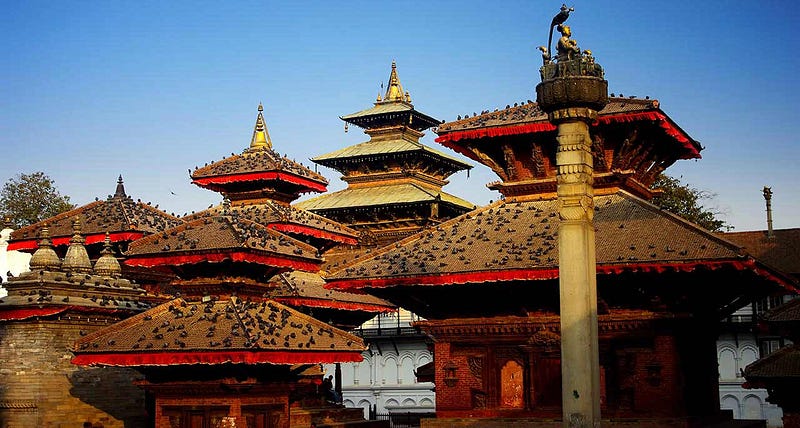
1. Kathmandu Durbar Square

Kathmandu Durbar Square is the cultural and historical hub of the Nepalese capital. The Nepalese royal palace, temples, courtyard, and museum of life are all included in the square. Drama on the street, paintings, and wooden souvenirs entertain the children. Handicraft and food street shops inside the complex of the square can be visited as well, and thus it is only logical that the tour avails itself of such facilities. Kumari Living Goddess revealing her face peeking from behind the palace window is ideal for kids who never stay still. Parents and kids learn about the life of Nepalese kings when they visit Hanuman Dhoka Palace. Parents and kids watch guides reading about old kings and facts about kings. Art, history, and living all rolled into one amuses kids at Kathmandu Durbar Square.

Highlights

  • Hanuman Dhoka Palace: Historical, a palace with many royal myths.
  • Living Goddess Kumari: Catch a glimpse of a “real” “goddess” in her window.
  • Local Markets: Handicrafts and paintings of locals, along with street artists, occupy the crowded square.
  • Temple Exploration: Very ancient Nepalese Hindu and Buddhist architecture temples.

2. Pashupatinath Temple

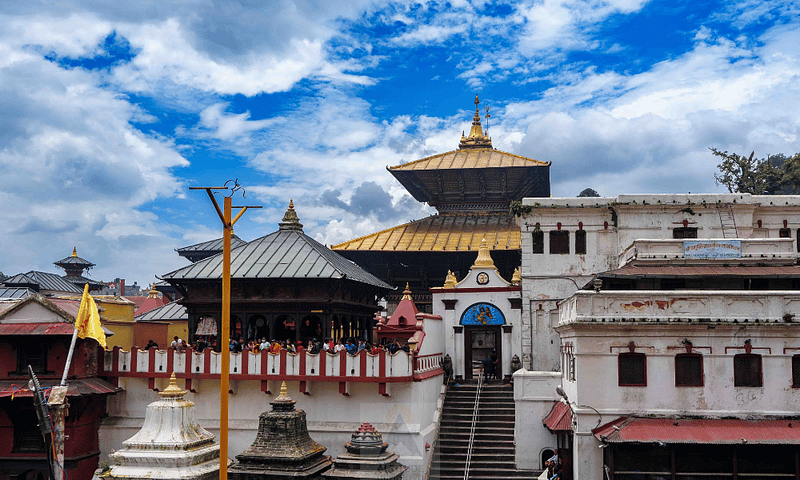
Its holiest Hindu temple, Pashupatinath, lies along river Bagmati. It’s a great cultural exposure for kids too as a pilgrims’ site. Temple campuses are littered with immaculately dressed sadhus (Hindu holy men) in exquisite attire designed using ash and bead smudges. Moreover, kids can see odd Hindu rituals and oblations to deities by pilgrims. Cremation ghats, ritual performed on funeral, considerate but Nepalese culture respecting. They can sit in temple complexes watching naughty naughty monkeys. Miniature temples and Hindu mythical gods’ statues are seen in temple complexes. An opportunity to listen to old mantras and songs, healing natures. Hand-on experience by children with Hindu religion and tradition.

Highlights

  • Sadhus: Spiritual men with face-painted colors and wearing traditional attires.
  • Wildlife and Monkeys: Monkeys are moving freely in the temple.
  • Hindu Rituals: Hindu prayer ritual, fire ritual, and cultural ritual.
  • Cremation Ghats: A glimpse of Nepal’s death culture (for older children).

3. Bhaktapur Durbar Square

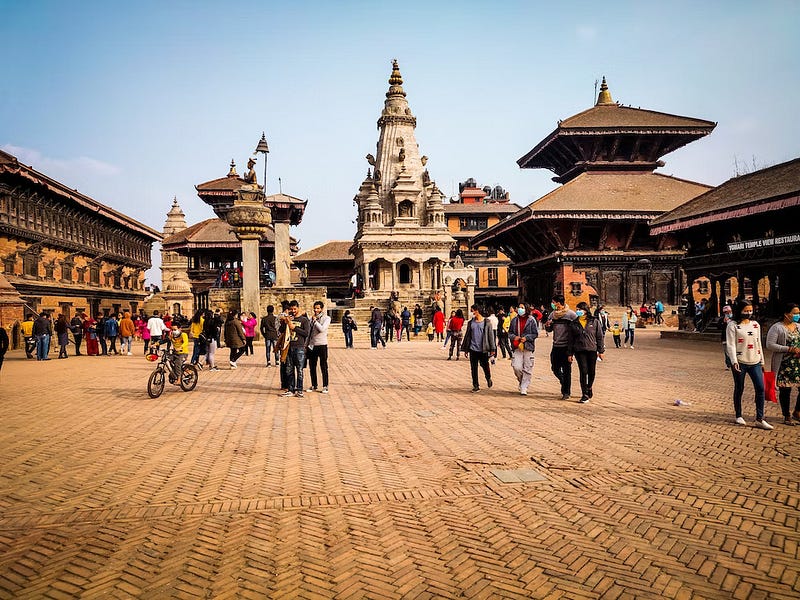
Bhaktapur Durbar Square is Nepal’s finest preserved medieval city and a World Heritage site by UNESCO. First, you can open courtyards and temple carvings create living museum-like environment. The children can view the Golden Gate and 55-Window Palace looming over them. Live demonstrations of Bhaktapur pottery allow the children to craft their own pottery. The square is less touristic than that of Kathmandu, providing a chance for the families to unwind in a serene atmosphere. Street stores have in-house-made masks, puppets, and refreshments that would absolutely delight the kids. Historical touch is lent to the metropolis by the statues and antique stone water fountains as well. The tour of Bhaktapur is children’s tour concerning Nepalese paintings and history.

Highlights:

  • Golden Gate: Exquisite gate with pleasant carvings.
  • Pottery Making: Practical experience of creating pot and model from clay.
  • 55-Window Palace: It is one of the relatively well-preserved non-regular plan palaces.
  • Cultural Snacks: Trying new foods such as yomari and king curd.

Why Kids Will Love It:

Bhaktapur is like a real-life museum, where kids can roam freely, interact with locals, and explore unique sites like the Batsala Temple and the famous 55-Window Palace. The relaxed atmosphere allows children to take in Nepal’s medieval culture at their own pace.

4. Pokhara and the Lakeside Experience (Cultural Place)

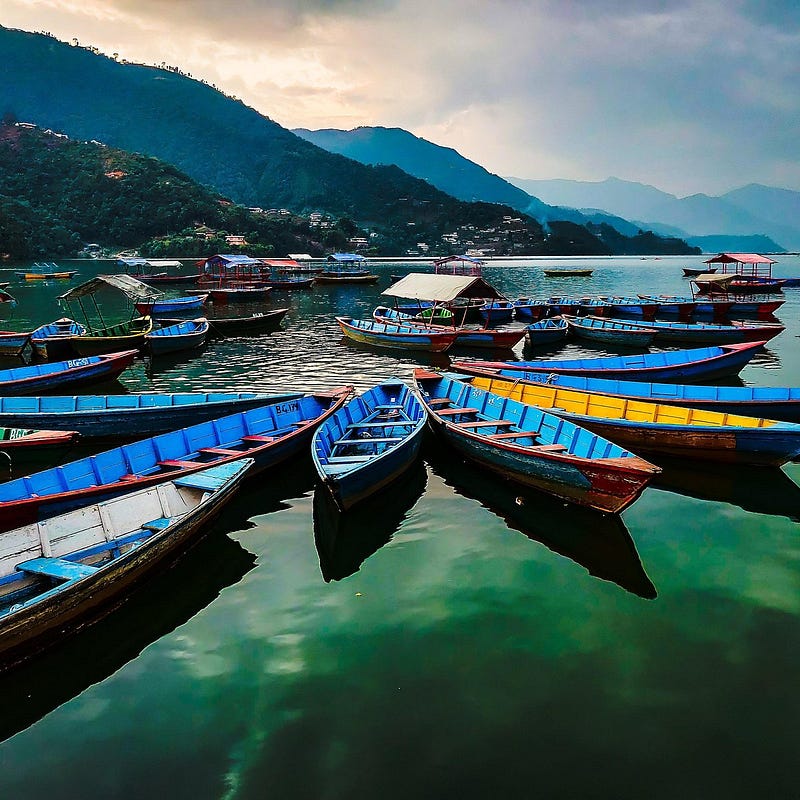
Pokhara is resort town famous for picturesque lakes, hill top view, and family outing deserving. Picturesque family outing is Phewa Lake island boat tour of Tal Barahi Temple. Nepal mountaineering classes are kid friendly. Bat Cave and Gupteshwor Cave are kids playground for family outing at International Mountain Museum. Water gushing from caves is also viewed by tourists to Davis Falls. Town along the lake banks with handicrafts, record stalls, and souvenir shops. Moreover, children can have panoramic view from top hills in scenery-bound landscape to all the tourists in Pokhara.

Highlights:

  • Boating on Phewa Lake: Picturesque boat ride among picturesque scenery.
  • International Mountain Museum: Nepal’s mountains and hills are abounding with knowledge-base and learning centers.
  • Caves and Waterfalls: Guided waterfall tours and spectacular underground caves.
  • Lakeside Walks: Unwind and peaceful atmosphere with shopping, music, and sweets.

The combination of cultural experiences, outdoor adventures, and stunning landscapes makes Pokhara an exciting destination for kids. Whether it’s boating on the lake or visiting natural wonders, there is no shortage of activities that will keep young travelers entertained.

5. Chitwan National Park: A Wildlife Safari Adventure

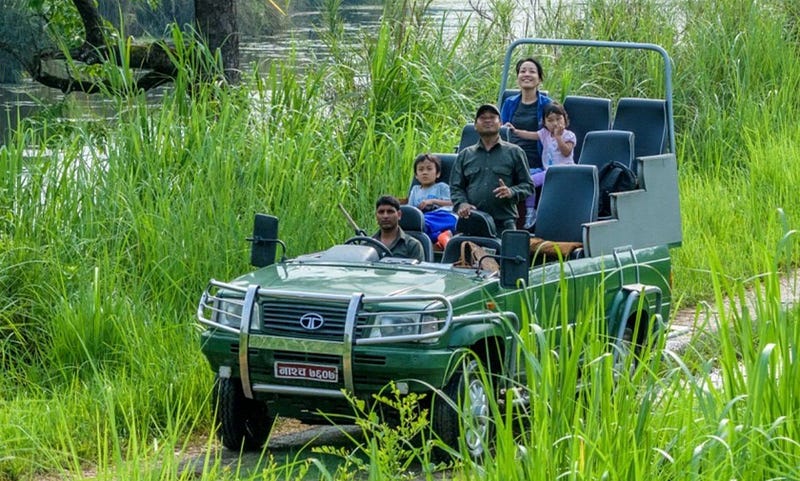
Kids jungle hike in Nepal Terai region of Chitwan National Park. Kids can do jeep safari for wild deer, rhino, even for Bengal tiger sighting. Canoe ride on Rapti River with crocodile and bird viewing during tour for kids. For instance, Tharu Cultural Show night is their own spice descend local life. Elephant Breeding Centre is sole centre where elephant calves are brought there for kids’ sightseeing along with conservation. Furthermore, Chitwan is adventure and nature heaven for kids. Nature walk, nature guiding, gives children’s perspective regarding plant and animal world. Package tour-adventure vacation trip makes

Highlights:

  • Jeep Safari: Rhinoceros, deer, and tiger safari.
  • Canoeing: Quiet boat journey to view the crocodiles and the remaining of the soundest-unusual-naming birds.
  • Elephant Breeding Center: Accommodates the elephants and their upkeep.
  • Tharu Cultural Show: Performance of music and dance.

Why Kids Will Love It:

Chitwan National Park offers a perfect combination of wildlife, adventure, and education. The excitement of spotting rare animals and exploring the jungle will create lasting memories for children.

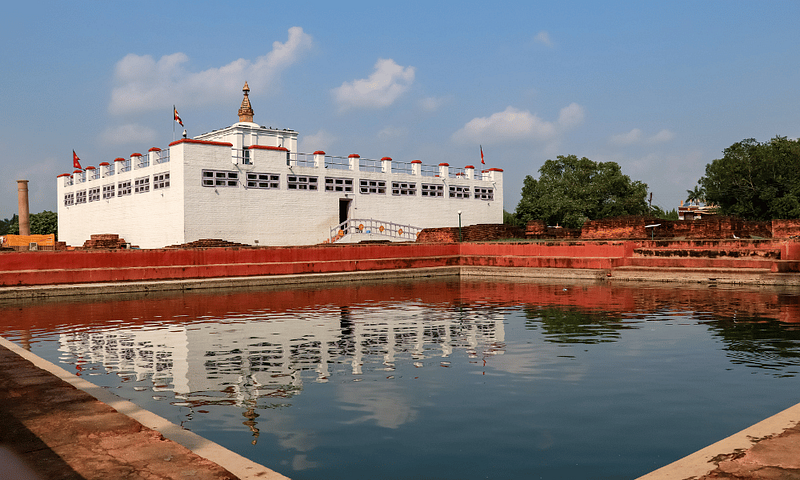
6. Lumbini: Birthplace of Buddha

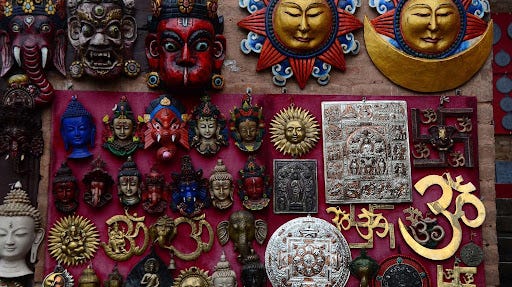
Nepal is famous for handicraft culture, and therefore craft workshop is a great cultural activity for kids. Kids learn Thangka painting, Buddhist folk art, in Kathmandu and Bhaktapur. Additionally, pottery workshop at Bhaktapur lets the kids shape the clay and paint their own ceramics themselves. Families can try learning Mithila art in Janakpur, which is most well-known for color and design sophistication. Particularly, these workshops are hands-on, so Nepalese handicraft becomes part of the lives of children as well that is internationally accepted. They will be guided to children by the hand of professional artists and their handicraft will be done out of the building with them. It is certainly a good piece of cultural craft.

Highlights

  • Thangka Painting: Thangka Painting is traditional painting as per Buddhist tradition in rich vivid colors.
  • Pottery Making: A handicraft session in which the designing and shaping of the clay designs are carried out.
  • Mithila Painting: Kids can learn a Nepal Terai-based traditional painting art.
  • Take-Home Artwork: The artwork can be taken home by the kids.

Why Kids Will Love It:

Lumbini offers a peaceful and educational experience for kids. The beautiful gardens, historic sites, and the opportunity to learn about Buddhism make it a meaningful stop for families seeking cultural enrichment.

7. Traditional Nepali Craft Workshops

Nepal is famous for handicraft culture, and craft workshop is a great cultural activity for children. The children are learning Thangka painting, Buddhist folk art in Kathmandu and Bhaktapur. The pottery workshop in Bhaktapur provides the opportunity to the children to shape the mud and make their own pottery independently. Children can acquire the Mithila art in Janakpur, which is best known for finesse of colour and design. They are working workshops, and therefore Nepalese handicraft becomes a part of children too which the world embraces. Children can learn about professional artists and their handicraft will be taken out of the complex with them. Particularly, it is a cultural-craft work so beautiful.

Highlights

  • Thangka Painting: Thangka Painting is conventional painting derived from Buddhist heritage in luscious vivid colors.
  • Pottery Making: A handicraft process in which modeling and designing the designs in the clay is done.
  • Mithila Painting: The kids can be trained in a conventional Nepal Terai-based painting craft.
  • Take-Home Artwork: The painting is taken home by the kids.

Why Kids Will Love It:

Craft workshops offer a tactile and creative experience that allows children to engage with Nepali culture in a fun and interactive way. These activities also serve as great souvenirs of their time in Nepal.

Conclusion

In conclusion, Nepal offers a combination of nature and culture activities that are fun and educational for children. With trekking in the old temples, interaction with the animals, or old crafts, something is offered to every young adventure-seeker. Moreover, the country’s multi-cultural palaces and history place it at a perfect position as the best vacation spot for that family trip to be the point of conversation everywhere. Families, with a bit of planning and an open mind, can get the best out of what Nepal has to offer and show children a world of magic and wonder.

FAQs

1. When is the best time to travel to Nepal with kids?

Spring (March to May) and autumn (September to November) are the best times to travel to Nepal with kids. It is good weather, and the period is most appropriate for adventure outdoor activities.

2. Is Nepal kid-friendly?

Yes, Nepal overall is family-friendly. But better safe than sorry and take precautions anyway, e.g., avoid crowds and get children to drink plenty of water and rest in the shade.

3. Can kids trek in Nepal?

Yes, nearly all the treks in Nepal are family-friendly. Children can do short ones like the Ghorepani Poon Hill trek, and even family tours are possible.

4. Are there kid-friendly accommodations in Nepal?

Nepal is child-friendly, and there are some family resort and hotel facilities available, particularly in tourist cities like Pokhara, Kathmandu, and Chitwan. They are mostly made up of children’s amenities and activities.

5. What cultural activity is the best for children?

Kathmandu Durbar Square visit, Kumari (Living Goddess) watching, or Chitwan Elephant Breeding Center visit is informative and fun activity for kids.

6. Are Nepali culture festivals enjoyable for kids?

Yes, indeed, because Nepal celebrates very large colorful festivals, i.e., Dashain and Tihar, with colorful processions, songs, and dances. Festivals are heaven for a child due to the festive atmosphere.

7. What do kids typically eat in Nepal?

Children will like Nepalese cuisine like momos (dumplings), daal bhat (lentil soup and rice), and sel roti (Nepali doughnut). There are restaurants serving international cuisine, e.g., Western food.

8. Can children enter the temples of Nepal?

Yes, children can enter most of Nepal’s temples, e.g., Pashupatinath and Swayambhunath (Monkey Temple). It is a good idea to give children cultural decorum of entering religious sites.

9. What are children interested in doing outside in Nepal?

Nepalese children outdoors enjoy a jungle safari at Chitwan as well as boating on Phewa Lake in Pokhara, and visiting nearby waterfalls and caves.

10. How can I organize a Nepal family vacation?

While traveling with children, wear travel-friendly child clothing, carry medicines with you, carry water in abundance to stay hydrated, and prepare for long travel days. Acclimatize your children beforehand with Nepalese culture and traditions too.

For your Family trip to Nepal we are here to help please do not hesitate to reach us out at https://happymountainnepal.com/

Sunday, February 23, 2025

Helicopter Tour in Nepal


Helicopter Tour in Nepal: Everest, Annapurna, and Beyond

Helicopter tour is an expensive, luxurious way of viewing such dashing mountains from near distance without causing any kind of discomfort. Nepal, being a country of humongous mountain ranges which are fashionable everywhere in the world, is blessed with the globe's highest mountains such as Mount Everest and Annapurna. It is an extremely wide panoramic view not being possible under normal trekking or traveling conditions. Nepal helicopter tour will be once in a lifetime for you if you are an adventure enthusiast or need to do it once in a lifetime.

Everest Helicopter Tour

Everest Helicopter Tour is adventure holidaying of every adventure enthusiast who would be overcoming world's best in closest possible proximity. Kathmandu tour is begun in midst of roll of hills constricting. The tour begins in usual fashion by arrival at Lukla, heaven destination for trekkers. The helicopter brings you near Everest and upper top visit to famous summits of Lhotse, Makalu, and Cho Oyu. As the helicopter nears Everest, you’ll be able to witness the towering presence of the mountain, with its surrounding glaciers and dramatic ridges. The sight of Everest from the air, with its massive ice cliffs and surrounding snow-covered peaks, is truly a once-in-a-lifetime experience.

A highlight of the Everest Helicopter Tour is the landing at Kala Patthar or Everest Base Camp. Thrill of trekkers is Kala Patthar and view of Mount Everest and surrounding mountains. You are being offered helicopter tour with overnight stay here so that you are in the mood of excellence for couple of days and gain glory of Himalayas' summit. Very little space for living and camping on Mountains. The hike is the ideal combination of adventure and rest and scenery and once in a lifetime experience such as the serenity of Mount Everest and the Khumbu.

Everest Helicopter Tour

Major Attractions:

  1. Mount Everest View:You'll be approaching Everest so that you'll be able to look at its massive form from a totally other perspective.
  2. Kala Patthar: The trekkers' joy spot, you will be flying above this location that provides view of Everest and adjacent mountains in the wide-angle frame.
  3. Khumbu Glacier: Observe the massive ice-cap glacier from Everest to the level of the valley.
  4. Sagarmatha National Park:It's a Heritage site of UNESCO and is known for its incredible scenery and wide wildlife diversity.
  5. Sherpa Villages: The flight over villages like Namche Bazaar gives a glimpse of the way of life and culture of people in the heart of the Himalayas.
  6. Aerial Views of Gokyo Lakes: With clear visibility days, the serenely stunning Gokyo Lakes sit amidst the behemoth peaks under you.
  7. Everest Base Camp: A close land at base camp provides the proximal visual survey of sites being used on this expedition along with the peering peaks.

Cost Breakdown:

The Everest Helicopter Tour typically costs between $1000 to $1500 per person, depending on the package and number of passengers. The cost includes the helicopter ride, fuel, and landing fees.

Duration:

The entire tour usually lasts around 4 to 5 hours, including the flight time and the stop at Kala Patthar or Everest Base Camp.

Tour Itinerary

    1. Departure from Kathmandu
      • Early morning departure from Tribhuvan International Airport.
        Scenic glimpses of rolling green hills and terraced land rising up towards the Himalayas.
    2. Stop at Lukla (2,860m)
      • Brief stopover at Tenzing-Hillary Airport, the most difficult airstrip in the world.
    3. Flight above Namche Bazaar & Tengboche Monastery
      Sherpa town and ancient monastery from an eye-level perspective.
    4. Landing at Kala Patthar (5,545m)
      • Highest altitude at which landing is feasible with a helicopter.
        Panorama of Everest, Lhotse, Nuptse, Pumori, and Ama Dablam.
        Brief photo stop.
    5. Breakfast at Everest View Hotel (3,880m)
      • Breakfast at Everest View Hotel (3,880m)
        World's highest-altitude hotel.
        Have lunch while savoring stupendous mountain views.
    6. Return to Kathmandu
      • Flight above the Khumbu Glacier to Lukla.Fly over Namche Bazaar & Tengboche Monastery

Annapurna Helicopter Tour

Annapurna Helicopter Tour will take you flying over one of the most diverse and scenic ranges of Himalayas in Nepal. The Annapurna range of mountains with Annapurna I (10th highest peak in the world) encompasses some of the most beautiful scenery in the world. It will carry you through rolling green valleys, rice-field terraces, and traditional villages at the foot of the lower range, and after ascending in height, the landscape dramatically changes from forest to high snow-capped peaks. Annapurna range itself is famous for its diversity as well, and vegetation of Annapurna Conservation Area's constitutes a major animal habitat. The flight provides bird's eye views of the crowded hiking trail that the trekkers use to hike up to Annapurna Base Camp, providing an entirely new level of beauty to observe.

One of the highlights of the trip is to get close to the holy Machapuchare, or "Fish Tail" Mountain, but never to climb it due to its sacred nature. The tour also gives an aerial view of Pokhara, a picturesque lakeside town and the starting point of most of the treks. You get to see the peaceful Phewa Lake and the town below you from above. Among the tours, if it is part of a package, one can make a quick trip to Annapurna Base Camp or one of its surrounding viewpoints such as Ghorepani or Poon Hill, all of which are rewarded with panorama sunrise view of the entire Annapurna range, an equally good alternative for the non-trekkers who still get to see the sights of this country without having to go through the grueling climb.

Annapurna Helicopter Tour

Major Attractions:

  1. Annapurna Range: You’ll fly close to the Annapurna range, offering breathtaking views of Annapurna I, II, and III.
    Machapuchare: Known as "Fish Tail," this sacred mountain is one of the most photogenic peaks in Nepal.
  2. Phewa Lake: The tour includes stunning aerial views of Phewa Lake, located in Pokhara.
  3. Ghorepani and Poon Hill: Famous for its sunrise views, Poon Hill offers a scenic vista of the Annapurna and Dhaulagiri ranges.
  4. Dhaulagiri: View the snow-capped peaks of Dhaulagiri, the 7th highest mountain in the world.
  5. Pokhara Valley: The city of Pokhara offers a picturesque landscape with its calm lakes and vibrant streets, visible from the sky.
  6. Trekking Routes: You’ll see the famous trekking routes leading through villages and lush forests, particularly in the Annapurna Conservation Area.

Cost Breakdown:

The cost for the Annapurna Helicopter Tour typically ranges from $700 to $1000 per person. This price includes the helicopter ride, fuel, and landing charges.

Duration:

The Annapurna tour typically lasts 3 to 4 hours, depending on the weather and the number of stops made.

Tour Itinerary:

  • Departure from Pokhara
    • Flight over green valleys from Pokhara Airport.
  • Fly Over Annapurna Base Camp (4,130m)
    • 360° view of the Annapurna Massif.
    • Look out over rivers, glaciers, and mountains.
  • Landing at Annapurna Base Camp
    • Scurry stop for photos and discovery.
  • Return to Pokhara
    • Ghandruk Village and Poon Hill flight for an even broader view.

Beyond: Helicopter Tours to Other Destinations

Apart from Everest and the Annapurna range, helicopter trips to other off-the-beaten but scenic destinations are also provided on Nepal helicopter tours. Langtang, for instance, is located north of Kathmandu city and popularly well-known for valleys, glaciers, and Tamang villages. Langtang flight offers rolling green mountains, alpine meadows, and crystal lakes of the range bird's eye view. Rara Lake is mythical flight in distant northwest Nepal. Blue water and mountain are the sophistication which surround Rara to be Nepal's highest and most inaccessible lake. Helicopter ride to Rara provides you a chance to feel off-road magic so that you get bird's eye view of geology as well as flora and fauna there. There are pauses in between helicopter flight usually for pauses in between so that the person gets used to the varied landscape of Nepal.

Helicopter tour allows one to view so many places at a time, i.e., view mythological hill stations, far-flung monasteries, or alpine lakes. It's a holiday odyssey or culture tour, but for the first time in the world's books anywhere, with history-making helicopter flights to some of Nepal's most stunning and far-flung vistas. The ideal solution for time-stressed travelers or don't-feel-like-walking-the-day's-length, because you're whisked away instantly to the world's most stunning vistas.

 Helicopter Tour

Popular Helicopter Tours in Nepal

1. Langtang Helicopter Tour

  • Highlights: Scenery in the Langtang Valley is spectacular, changing from sub-tropical forests to alpine meadows. Kyanjin Gompa, a spiritual pilgrimage, and Langtang Lirung (7,234m) are visible.
  • Time: 1-2 hours
  • Price: $300 - $500 per person
  • It is most appropriate for an individual who must get to the center of the Himalayas in a short time. Langtang valley is less populated than some places, thus peaceful. It is also most appropriate for an individual with short time because it is brief.

2. Upper Mustang Helicopter Tour

  • Highlights: The aerial view of the ancient Buddhist monasteries, the dramatic desert-like landscape, and Lo Manthang's fortified city. Upper Mustang is still a fairly untouched region by modern times, retaining its cultural heritage and distinctive natural beauty.
  • Time: 3-4 hours
  • Price: $1,500 - $2,000 per person
  • Usually referred to as the "Last Forbidden Kingdom" due to its historical isolation, Upper Mustang is a rich insight into barren landscape and wealthy Tibetan culture still flourishing there.

3. Rara Lake Helicopter Tour

  • Highlights: Sacred alpine lakes situated at an elevation of 4,380m in the Gosaikunda region. It is an important pilgrimage site for Hindus, and the lakes are surrounded by high peaks.
  • Duration: 2 hours
  • Cost: $350 - $500 per person
  • Gosaikunda is considered one of Nepal’s most sacred places. The helicopter tour offers an efficient way to reach this remote location, making it an excellent option for those wanting to visit without the strenuous trek.

4. Gosaikunda Helicopter Tour

  • Highlights: Sacred high-altitude alpine lakes of 4,380m of Gosaikunda region. Hindu pilgrim spot of special significance and lakes with surrounding high hills.
  • Time: 2 hours
  • Price: $350 - $500 per person
  • Gosaikunda is one of the most revered sites of Nepal. Helicopter tour offers access to the remote situated location easily and hence the most comfortable for one who does not wish to go on the long trek.

Why Choose a Helicopter Tour in Nepal?

  1. Time Efficiency
    Best helicopter flights are best suited for time-constrained tourists. They enable you to traverse long distances within a very limited period of time, covering distant and otherwise unapproachable areas.
  2. Unmatched Aerial Views
    Helicopter flights provide you with an overhead view of the Himalayas that very few fortunate travelers experience. Overhead views of the mountain ranges, valleys, and lakes are unparalleled.
  3. Accessibility
    Helicopters give access to remote regions of Nepal. It's on hand in hours instead of days of walking in the hilly terrain
  4. Comfort & Safety
    Comfort & Safety
    Low flying and oxygen supplementing is possible with new generation helicopters, and the pilots are trained to make it secure. It is a comfortable way of traveling over Nepal's highlands without trekking fatigue.

Essential Tips for Helicopter Tours in Nepal

  • Book in Advance
    Book helicopter flight in advance if traveling during high trekking season (autumn and spring). Good idea to book a seat in advance.
  • Wear Warm Clothes
    Landing is very cold at high altitude even during summer. Dress up warmly even if weather is fine down below.
  • Carry Sunglasses & Sunscreen
    The intense UV sun at high altitudes can lead to sunburn and eye strain. Protect yourself from both with sunscreen and sunglasses even when the sun isn't out on cloudy days.
  • Check Weather Conditions
    Mountain weather is very unpredictable. Helicopter tours get cancelled or postponed due to poor weather, so be prepared for that..
  • Travel Light
    There is less storage space. Bring essentials only and observe weight limitations.

These chopper tours are one of those methods to witness Nepal's godly beauty differently. If a person wishes to visit some of Nepal's remote areas or something adventurous within a limited time period, an aerotrekking via a chopper is adventurous as well as time efficient.

Conclusion

Nepal helicopter tour is the best means to see the beauty of the Himalayas without going through the hassle of a trek. From Everest to Annapurna, or remote locations such as Rara Lake, the helicopter tours are sure to provide nice scenery, comfort, and an experience of a lifetime. Helicopter tour is perfect for an individual with tight schedules but willing to take a glimpse of Nepal's natural wonder.

FAQs

1. How expensive will a Nepal helicopter tour be?
$300–$2,000 per person depending on destination. To Everest $1,000–$1,500, Annapurna flights $700–$1,000.

2. What is the ideal time for a Nepal helicopter tour?
Best in spring (Mar–May) or autumn (Sept–Nov) when skies and weather are both settled.

3. How long will a helicopter tour last?
Tours last 2–5 hours depending on destination and number of stops.

4. Is altitude sickness a danger?
Altitude sickness cannot be avoided at such altitudes, but short visits and oxygen supply via helicopters make the risks nil.

5. Are helicopter tours conducted with base camp landings?
Yes, a landing at destinations such as Kala Patthar (Everest) and Annapurna Base Camp is also part of the tour to visit and stay there for some time and take photographs.

6. Can old people and children actually do a helicopter tour?
Yes, helicopters are for all since they eliminate the trekking factor.

7. What type of dress should i wear for helicopter tour?
Wear warm layer clothing, gloves, hat, and sunglasses. It is cold at high altitude.

8. Are Nepal's helicopter tours safe?
Yes, Nepalese tour operators use newer vehicles and experienced pilots. Tours are conducted only on clear weather days.

9. there a private helicopter tour available?
Yes, private tours are available for a special experience but more expensive than group tours.

10. What if the weather is bad on my tour date?
Tours may be cancelled or rescheduled because of weather. It's always best to have a flexible schedule.

please feel free to contact us at : https://happymountainnepal.com


Thursday, February 13, 2025

Top 5 Mountaineering Peaks in Nepal.


Nepal is known as the land of the Himalayas Nepal is a paradise for mountaineering lovers. It has some of the sky-scraping peaks of the World such as the highest peak of the World Mt. Everest. Here, you can have some diverse peaks to give you different challenges and experiences. From skyscraping Everest to the technical climbs of Makalu, Nepal is home to mountaineering peaks for everyone from the novice to the experienced adventure climber.

So, in this blog, you will read about the best 5 mountaineering peaks in Nepal:

 1. Mera peak:

mountaineering_peaks

Mera Peak, standing at 6,461 meters, is the most popular peak for climbing in Nepal. Located in the eastern part of the country within the Makalu-Barun National Park and Conservation Area, it offers an ideal adventure for first-time trekkers seeking an adrenaline rush without requiring advanced technical expertise. Once you reach the summit, you'll be rewarded with breathtaking views of some of the tallest mountains in the world, including Mt. Everest, Makalu, Kanchenjunga, and Lhotse.

The climbing route of Mera Peak consist of various landscapes and astonishing views of great mountains and walking through glaciated region. Chukung is the starting point for the trek to this trekking peak. Afterward, head toward the path of Hinku Valley. After that, we will trek to Khare at the altitude of 5090 m. We will reach Mera La pass. Then, we'll visit the Base Camp of Mera Peak after Mera La. Furthermore, the route expands until Camp 1 (6100 m) and then the last summit of Mera Peak. This trek takes approximately 15 days to complete.

Highlights of Mera Peak

  • Experience diverse landscapes, from alpine meadows to high-altitude deserts.
  • Explore the Sherpa Village, learn about their culture & traditions, and interact with the locals.
  • Breathtaking vistas of the highest peaks such as Mt Everest, Makalu, Lhotse, Kanchenjunga, and Cho Oyu.
  • Experience a peaceful and less crowded trail.
  • Offers a great introduction to mountaineering without broad preparation.

2. Island Peak

mountaineering_peaks

Island Peak is the most accessible mountaineering peak in the Everest region. This peak offers a challenging yet achievable climbing experience. Island Peak, also known as Imja Tse, reaches an elevation of 6170 m. The hike to Island Peak generally takes 16-20 days. More so, Edmund Hillary, and Tenzing Sherpa, the world's greatest climber, trained through this peak and discovered the path that to this date remains in use.

There are some technical parts of Island Peak, but with proper training and guidance, it would be a great option for people who are in good physical shape. For climbing to the Island Peak, the base camp starting point for the peak is at an altitude of 5087 meters above sea level. Climbing up to High Camp at 5600 meters reduces most of the effort and time on summit day.

Highlights of Island Peak

  • The mesmerizing view of Everest, Changtse, Lhotse, Nuptse, and many more.
  • Tengboche is the biggest monastery in the Everest Region.
  • Khumbu Icefall and Glaciers.
  • Passing through beautiful valleys and Sherpa Villages.
  • Discover unique flora and wildlife on the trail.

3. Lobuche Peak:

mountaineering_peaks
Lobuche Peak at 6119 meters above sea level has been considered one of the most popular peaks among the aspiring climbers in the Khumbu Region of Nepal. It classifies as a trekking peak and demands a few physical wellness but it is not required to have much technical climbing capacity. This is also one of the easiest peaks in the Sagarmatha region.

This trek would take around 17 days usually to complete  This peak can be taken with those who may want to challenge and reap all the rewards with a Himalayan climb without vast technical climbing. The trekking peak in Nepal will present to you the gift of the breathtaking views of Lhotse, Ama Dablam, Nuptse, and many more. As a training site, The Lobuche East Peak is renowned among would-be mountaineers. Climbers could conquer this mountain faster than many other mountains within just about 3-4 days.

Highlights of Lobuche Peak

  • Hike to Everest Base Camp trek
  • Breathtaking vistas of Mt Everest from the Lobuche Peak.
  • Pass by the Khumbu Glacier, the world’s highest glacier.
  • Explore the unique Sherpa settlements and their culture.
  • Trek through prayer flags and monasteries via suspension bridges and through thick woods.

4. Pisang Peak:

mountaineering_peaks

Pisang Peak lies between Annapurna I and Manaslu in the Manang district. Since this is not one of the challenging peaks, the 6091-meter Pisang peak is one of the easiest climbing peaks in Nepal. The peak provides the best travel to different ecology, panorama, and culture. The round trip from Pisang takes almost 18 days.

As you gain altitude, you can enjoy the fantastic views of the Annapurna massif and other Himalayan peaks. The route from this trek has a well-defined trail to the Annapurna Circuit. Generally, the spring and autumn seasons are known to be ideal to climb Pisang Peak. Climatic conditions remain fair in these periods along with bright weather and reasonable temperature.

Highlights of Pisang Peak

  • Exploration of Lower Mustang and Marshyangdi Valley.
  • Hike through the colourful rhododendron and bamboo forest.
  • Visit Thorong La Pass, the highest pass in the world.
  • The adventurous trek around Annapurna massif.
  • Explore the fantastic steep mountainside, Swarga Dwari, and Gates to Heaven. 

5. Yala Peak:

mountaineering_peaks

At an altitude of 5,500 meters, it is ideal for first-time climbers with average fitness. The technicalities to be used are also minimal hence a good starting point for attempting mountain climbers. The tour to Yala takes about 13 days.

From Gompa, it is possible to reach this mountaineering peak in three days by taking the High Base Camp route. The trek is easy and scenic, and you will learn much from the climb. Panoramic views from the summit include Langtang Lirung (7,246m), Dorje Lakpa (6,990m), Gangchempo (6,388m), and Sishapangma (8,027m).

Highlights of Yala Peak

  • Stunning hike to Langtang village through the dense forest.
  • Tamang individuals and their rich cultures are other things to see.
  • You can explore the Chortens and Mani walls on the trekking course to Kyanjin Gompa.
  • It is less touristy and less crowded than other trails in Nepal.
  • Marvellous view of Langtang Lirung (7,246 m) and Ganesh Himal from Kyanjin Ri and Yala peak top.

Conclusion 

Whether you are an experienced mountaineer or an aspiring climber, Nepal has the most unbelievable landscapes, incredible culture, and friendly locals. You will never forget visiting this country. When you begin your Himalayan adventure, respect these mountains, their environment, and the people who call these mountains home. Your adventure partner, Happy Mountain Nepal will make your trip enjoyable and hassle-free.

 FAQs

  1. What are the best seasons for climbing peaks in Nepal?
    • The best season for climbing g peaks is Spring (March-May) and autumn (September-November).
  2. Do I need prior climbing experience for these peaks?
    • Not every peaks need prior experience such as Mera Peak and Yala Peak are easy and best for beginner.
  3. What permits are required for mountaineering in Nepal?
    • Permits like Trekker's Information Management System (TIMS) card, and other essentials national park permit are required.
  4. How physically demanding are these treks?
    • Physical fitness differs as per the peak levels, but good physical condition is needed for all climbs.
  5. What is the average cost of climbing these peaks?
    • The avarage cost of climibing these peaks depend on the peak, guide services, permits, and other logistics.


Monday, February 10, 2025

Kailash Mansarovar Yatra

 Kailash Mansarovar Yatra is amongst those very few pilgrimages in the world which are most rewarding spiritually and physically highly demanding in the same dimension. The Mount Kailash and Lake Mansarovar are great religious value possessions among Hindus, Buddhists, Jains, and also amongst the Bonpos. It is said that such ‘Yatra’ cleans up the soul and increases spiritual satisfaction within. However, since Yatra goes via a track which is hardly accessible and at extreme altitude, the body is to be subjected to proper training for journey safety and success.

Kailash from Yamadwar

Some of the steps that must be followed in preparation for the physical Kailash Mansarovar Yatra are as follows:

1. Developing stamina and endurance for Kailash Mansarovar Yatra

Many times Kailash Mansarovar Yatra does not get any time for breaks, for hours mostly on difficult situations. Building up your stamina is the key card for completing Yatra in less amount of problem, here’s how you can do it -:

  • Regular walking: Start with 3–5 kilometers per day and gradually increase up to 10–12 kilometers per day to build up your stamina.

  • Hiking and Trekking: Do some trekking in hilly or mountainous areas wherever possible; that would give you almost similar conditions as experienced during Yatra.

  • Weighted Backpack: In addition, get familiar with the use of a light backpack to simulate the weight one may have to carry along while he/she is on Yatra. This shall help the body to get accustomed to carrying the weight uphill and downhill while walking.

2. Increase Your Cardio Fitness

The first and foremost pre-requisite for Kailash Mansarovar Yatra is that your cardiovascular system should be healthy and strong enough to cope with the high altitude. You would need to walk uphill and uphill on uneven, steep paths at high altitudes to 19,500 ft above sea level where oxygen is scarce.

  • Aerobic Exercises: Running, cycling, and swimming strokes are immensely useful in developing the heart and lungs. Conduct daily moderate exercises of 30 minutes 4 to 5 days a week.

  • Interval Training: It is very much needed to include HIIT in your endurance training, and people can enhance their lungs to walk at high altitudes.

  • Breathing Exercises: Deep breathing exercises make people expand their lung capacity to carry more oxygen, which is required in high-altitude areas.

3. Strengthen your Muscles

Kailash trekking involves uneven and rocky as well as steep parts. Muscular strength will also be required in the legs, back, and core to ensure that such a stressful journey has happened easily. This will include squats, lunges, and calf raises for the strengthening of the important keys in the legs.

  • Regular exercises of the legs will make the long walks on the rugged path easy and comfortable.

  • Core Strengthening: Planks, leg raises, and crunches. A strong core maintains balance and posture during the trek.

  • Back and Upper Body Strength: Push-ups, pull-ups, and resistance band exercises will prepare your upper body for carrying a backpack-an essential part of Yatra.

4. Practice Walking with Altitude Simulation for Kailash Mansarovar Yatra

While it is impossible to simulate high altitude conditions fully from your home, a few things you can do to acclimatize the body to thin air:

  • Either you can do your training where the altitude is higher or simply use an altitude mask, which reduces oxygen levels, thereby triggering this adaptation of your body to less oxygen.

  • Climbing Stairs: Regularly climbing stairs can simulate the steep ascents you’ll encounter on the Yatra. Aim to climb 10–15 flights of stairs daily.

  • Hypoxic Training: Consider using a hypoxic training mask to reduce oxygen intake during workouts. This will help your body adapt to lower oxygen levels, which can be beneficial when you’re trekking at high altitudes.

5. Stay Hydrated and Maintain Proper Nutrition

This would mean plenty of hydration and nutrition in abundance. Be it too hot or high altitude, or even during an intense workout without nutrition, the body can get dehydrated a bit earlier to reduce the possible improvement of the body in giving out its performance output.

  • Hydration: One has to drink much water compared to usage-amounts one used to normally, which amounts to around 3–4 liters for each day. An electrolyte tablet will keep the water dehydrated-free.

  • Balanced Diet: Take healthy foods, and consumption of diet that should include complex carbohydrates, lean proteins, and healthy fats. Intake of whole grains, nuts, fruits, vegetables, and lean meat will assist your body in giving the power of physical challenges required for traveling.

  • Avoid Junk Food: Quit junk food, sugar, and high-fat food since that may lead to a sluggish effect, putting a heavy burden on your entire energy.

6. Acclimatize with the Weather

Kailash Mansarovar experiences some pretty unpredictable weather conditions. The temperature may go down and change quickly, so one should get their body accustomed to the cold.

  • Exposure to Cold: Go for gradually cold-weather treks so that the body acclimatizes itself to the cold during the Yatra.

  • Layering Up: The body gets accustomed to the increasing temperature by layering up.

  • Wear moisture-sucking material as a base layer, next to the insulator layer, and on top, the waterproofing over it.

7. Preparation of the Mind for Kailash Mansarovar Yatra

Besides, it is not only mental toughness a person requires as preparation; yatra may get pretty exhausting as one may have to go through extreme weather conditions, high altitude problems, and walking all day long consecutively for days. Hence, it’s very important that preparation for the same is on a mental basis.

  • Positive Visualization: Close your eyes and imagine you are doing this hike, some of the physical challenges involved in it, and how you will tackle those. The idea is to harden one’s mental set.

  • Meditation and Yoga: Meditation and yoga are excellent ways of achieving clarity of mind, correct focus, and wellness overall. They center you for any physical or emotional challenge.

8. Consult Doctor

First and foremost, long in advance and especially going to perform the Yatra, one should consult a doctor in case of disorder in one’s health. Ensure your cardiovascular health, lung capacity, and physical fitness are such that moving on this tiresome journey may be safe.

9. Acclimatize Properly

One of the major factors that should not be forgotten while on a Yatra is acclimatization to the height. You need to spend days at certain mediocre altitudes so that your body gets good enough time for adjustments before the start of the Kailash Mansarovar trek. In such cases, hence, possibilities for altitude sicknesses will be reduced.

Conclusion:

The Kailash Mansarovar Yatra is a once-in-a-lifetime experience-preparation, both physically and mentally. It’s finally the time when your body gets ready with proper endurance, strengthened muscles, simulation of high-altitude conditions, and a routine of hydration and nutrition for this spiritual and demanding journey physically. Remember, proper training can enhance your experience and ensure your safety, so take the time to prepare for this once-in-a-lifetime pilgrimage.

FAQs

1. What is the best time to start preparing for the Kailash Mansarovar Yatra?

One needs at least 6 months to begin a physical preparation before joining. There will be time to increase stamina and strength as well as endurance.

2. How long do I need to walk each day to prepare for the Yatra?

Walk 3 to 5 kilometers a day, gradually increasing to 10 to 12 kilometers a day. These will develop the stamina and endurance needed during long trekking hours for the Yatra.

3. Which exercises will most effectively help in the Yatra?

Cardiovascular exercises like jogging, cycling, and swimming will help in cardiovascular fitness, and squats along with lunges, plus working out in the core region, will make you prepared for staying tuned to withhold the demands coming from the trekking

4. How should I train for the high-altitude conditions of Kailash Mansarovar?

It is good to have altitude training-for example, hiking in higher altitudes-or using an altitude mask. This apart, regular climbing of stairs helps simulate the ascent that one encounters during Yatra.

5. Can one physically train for Kailash Yatra without being at a high altitude?

Well, yes, of course-you may not be able to simulate exactly that effect while on sea level-but stair climbing, hill hiking, and an altitude mask will prepare your body for it. Besides, work on developing cardiovascular endurance and leg strength.

6. How important is hydration and nutrition in preparing for the Yatra?

Adequate water intake and nutrition. The quantity of water consumed should be at least 3–4 liters, with food being healthy and nutritious, including whole grains, fruits, vegetables, lean proteins, and healthy fats for energy.

7. What is the major physical challenges during Kailash Mansarovar Yatra?

Some major physical challenges in Kailash Mansarovar Yatra include very long walks on unmetalled and uneven ground, acclimatization of high altitude with less oxygen, cold weather conditions of Kailash Mansarovar Yatra, etc.

8.How to avoid Altitude Sickness during the Yatra?

Following is one of the ways to avoid altitude sickness: create some time for acclimatization. Spend a few days at intermediate altitudes before you trek up towards the summit. Keep hydrated, walk slow and all that stuff.

9. Is it advisable to consult a doctor before preparation begins for Yatra?

Yes, it is all over necessarily recommended that a doctor must be consulted so one knows how much fit you stand physically before considering high altitude-high altitude conditions regarding trekking to keep all problems that affect you relating either to your heart or lung system.

10. How can I mentally prepare for the physical challenges of the Yatra?

Mental preparation is key. Meditation, yoga, positive visualization helps and builds the mental strength of a person. With these, it will always keep an individual composed, attentive and positive with some distress moments as well that consequently will provide him with loads of confidence.